
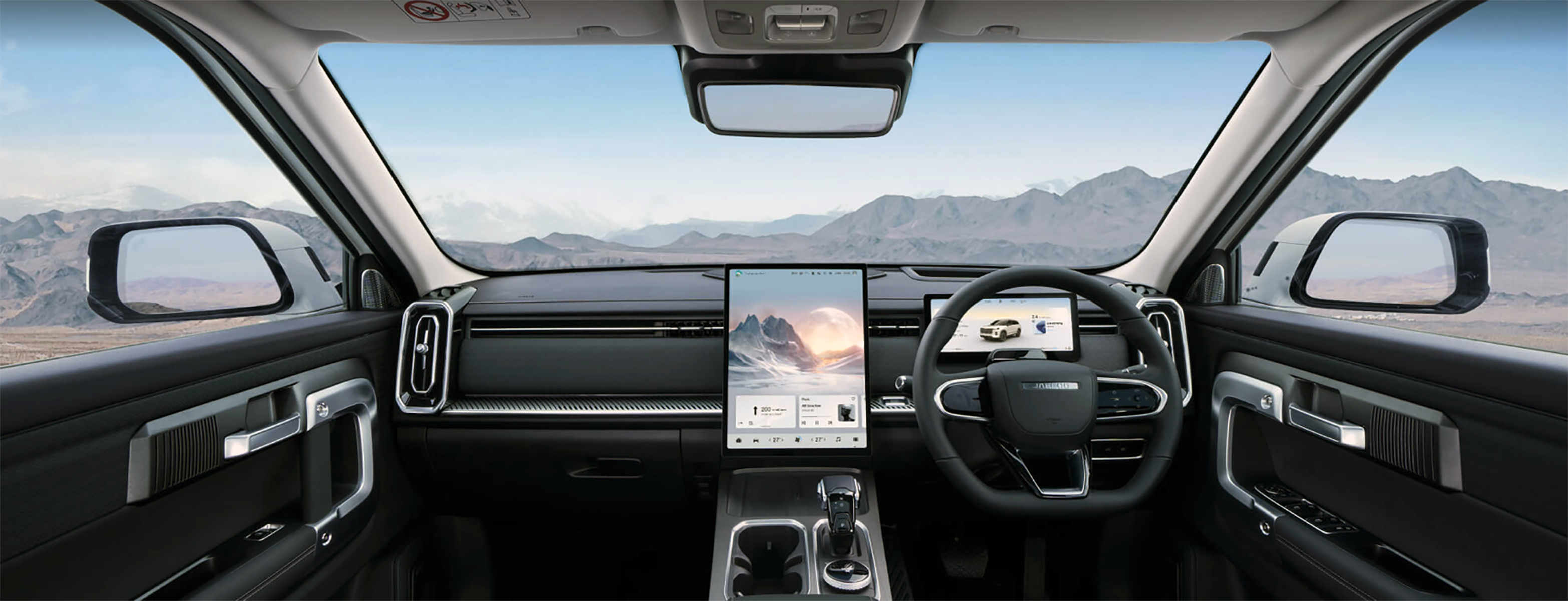
The idea of pushing a button to capture an image may be coming to an end. What makes me say this? The functionality of new electric cars. A place where buttons no longer exist, where keys have been replaced by credit cards and the touch screen fulfills every function that once required a lever or button to achieve an outcome. A warning, if you still believe that analogue is the future or if you are of a nervous disposition you may not wish to read any further.
We have become used to the white circle ‘fake’ button that our smartphone offers as an implement of photographic capture. However, not on our cameras, but it can only be a matter of time before the base functionality and ergonomics of the camera we recognise as being a camera changes just as it has with our cars. Henry Ford wanted every car to be black, but that was based on production, not aesthetics and today choice and functionality are king!
The evolution of the camera into a new shape and form is inevitable. The ubiquity of the tablet in cars can only point the way for cameras of the future. We may not like this, but that is not the point. We may not be given an option. Cheap electric cars from China have flooded the UK car market and they are very popular. They offer maximum functionality for minimum outlay and despite the issues that are beginning to be discussed, such as lack of technical support when they go wrong, people are still buying them. Japanese, European and US brands that we have known for decades are feeling the pinch, as their sales drastically reduce, as multiple Chinese brands appear over night. This is just the beginning of a re-imagining of the global car market. Anyone for a BYD, Jaecoo, Leapmotor, Xpeng, Voyah, Hongqi, Zeekr, Maxus, Omoda, GWM, Changan or Geely?
Now, consider the camera market. Instead of BMW, Audi, Jaguar or Mercedes replace them with brands such as Nikon, Canon, Sony and Fuji. Camera manufacturers which we all know and recognise as being important players in the history of photographic capture. All of which have seen their sales dramatically affected by the rise in image quality within smartphones. Just as cars have become more and more expensive so have cameras, pricing out everyone except the serious enthusiast or professional. The majority of people making photographs today do so with cameras made by Apple, Google and Samsung. They do not see themselves as photographers, but they are, as the huge archives of images on their mobiles attests.
They are also making photographs with devices that are dependent on China in their production. Can you see where I am going with this? It can only be a matter of time before China focuses on the traditional camera market. The reason why we have so many Chinese car brands suddenly appearing is because it is relatively quick and easy to set up an electric car factory, unlike the time and investment required to establish one based on the combustion engine. The step between the smartphone and the stand alone camera would appear to be similarily easy. It is just a matter of time.
Chinese cars are based on software and touchscreens and I can see no reason why the same functionality would not be adopted for a new form of camera, including lens choice. In addition the ‘decisive moment’ may be coming to an end as the ability to take high quality frames from the moving image continues to become a reality. In this case we will swipe and choose, rather than press and capture. The black box in our bag will become the slim device in our pocket and the choice of lens will be within a menu of touch screen options. If you dont believe me then just think back ten years and ask yourself if you would ever be able to start a car by plugging your seatbelt in. You can now…
Dr.Grant Scott
After fifteen years art directing photography books and magazines such as Elle and Tatler, Scott began to work as a photographer for a number of advertising and editorial clients in 2000. Alongside his photographic career Scott has art directed numerous advertising campaigns, worked as a creative director at Sotheby’s, art directed foto8 magazine, founded his own photographic gallery, edited Professional Photographer magazine and launched his own title for photographers and filmmakers Hungry Eye. He founded the United Nations of Photography in 2012, and is now a Senior Lecturer and Subject Co-ordinator: Photography at Oxford Brookes University, Oxford, and a BBC Radio contributor. Scott is the author of Professional Photography: The New Global Landscape Explained (Routledge 2014), The Essential Student Guide to Professional Photography (Routledge 2015), New Ways of Seeing: The Democratic Language of Photography (Routledge 2019), What Does Photography Mean To You? (Bluecoat Press 2020) and Inside Vogue House: One building, seven magazines, sixty years of stories, (Orphans Publishing 2024). His photography has been published in At Home With The Makers of Style (Thames & Hudson 2006) and Crash Happy: A Night at The Bangers (Cafe Royal Books 2012). His film Do Not Bend: The Photographic Life of Bill Jay was premiered in 2018.
© Grant Scott 2026


Leave a Reply