
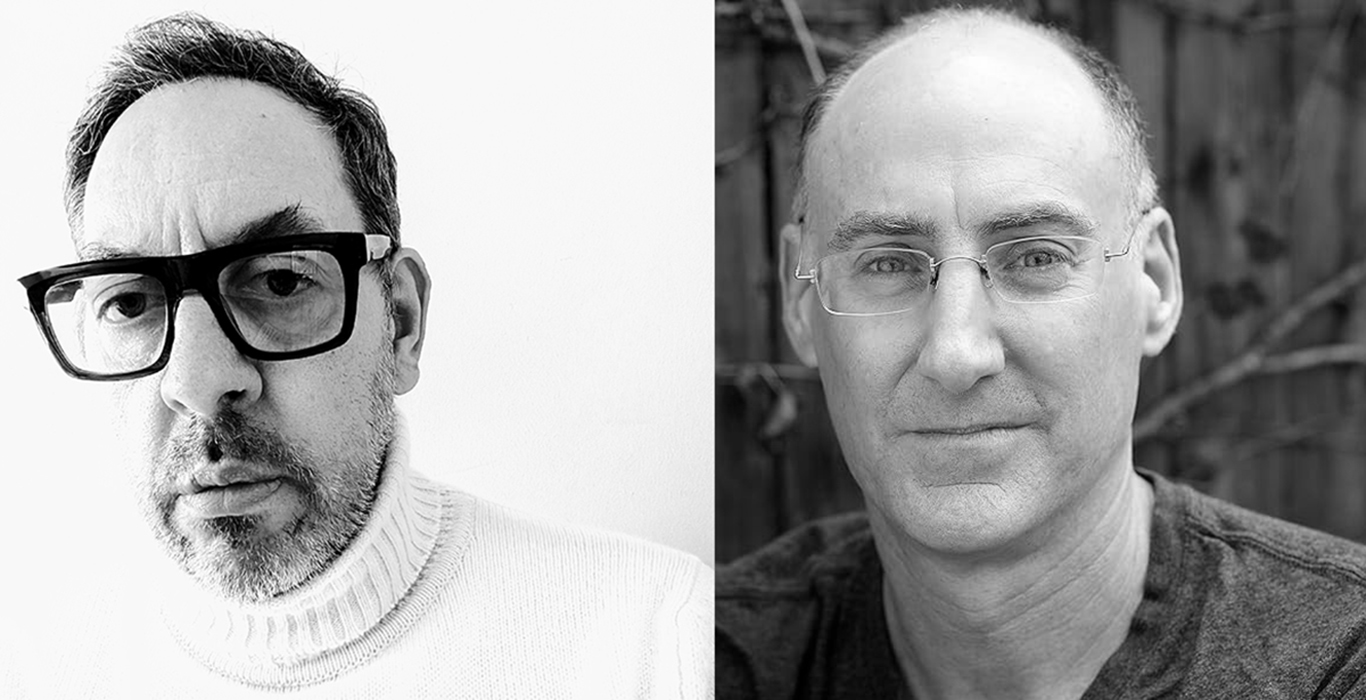
In this monthly conversation series Grant Scott speaks with editor, writer and curator of photography Bill Shapiro. In an informal conversation each month Grant and Bill comment on the photographic environment as they see it. This month they reflect on the importance of saying no to bad clients and unethical jobs.
Bill Shapiro
Bill Shapiro served as the Editor-in-Chief of LIFE, the legendary photo magazine; LIFE’s relaunch in 2004 was the largest in Time Inc. history. Later, he was the founding Editor-in-Chief of LIFE.com, which won the 2011 National Magazine Award for digital photography. Shapiro is the author of several books, among them Gus & Me, a children’s book he co-wrote with Rolling Stones guitarist Keith Richards and, What We Keep, which looks at the objects in our life that hold the most emotional significance. A fine-art photography curator for New York galleries and a consultant to photographers, Shapiro is also a Contributing Editor to the Leica Conversations series. He has written about photography for the New York Times Magazine, Vanity Fair, the Atlantic, Vogue, and Esquire, among others. Every Friday — more or less — he posts about under-the-radar photographers on his Instagram feed, where he’s @billshapiro.
Dr.Grant Scott
After fifteen years art directing photography books and magazines such as Elle and Tatler, Scott began to work as a photographer for a number of advertising and editorial clients in 2000. Alongside his photographic career Scott has art directed numerous advertising campaigns, worked as a creative director at Sotheby’s, art directed foto8magazine, founded his own photographic gallery, edited Professional Photographer magazine and launched his own title for photographers and filmmakers Hungry Eye. He founded the United Nations of Photography in 2012, and is now a Senior Lecturer and Subject Co-ordinator: Photography at Oxford Brookes University, Oxford, and a BBC Radio contributor. Scott is the author of Professional Photography: The New Global Landscape Explained (Routledge 2014), The Essential Student Guide to Professional Photography (Routledge 2015), New Ways of Seeing: The Democratic Language of Photography (Routledge 2019), and What Does Photography Mean To You? (Bluecoat Press 2020). His photography has been published in At Home With The Makers of Style (Thames & Hudson 2006) and Crash Happy: A Night at The Bangers (Cafe Royal Books 2012). His film Do Not Bend: The Photographic Life of Bill Jay was premiered in 2018.
Scott’s book inside Vogue House: One building, seven magazines, sixty years of stories, Orphans Publishing, is on sale now wherever you buy your books.
© Grant Scott 2025

Leave a Reply to Rob CampbellCancel reply