
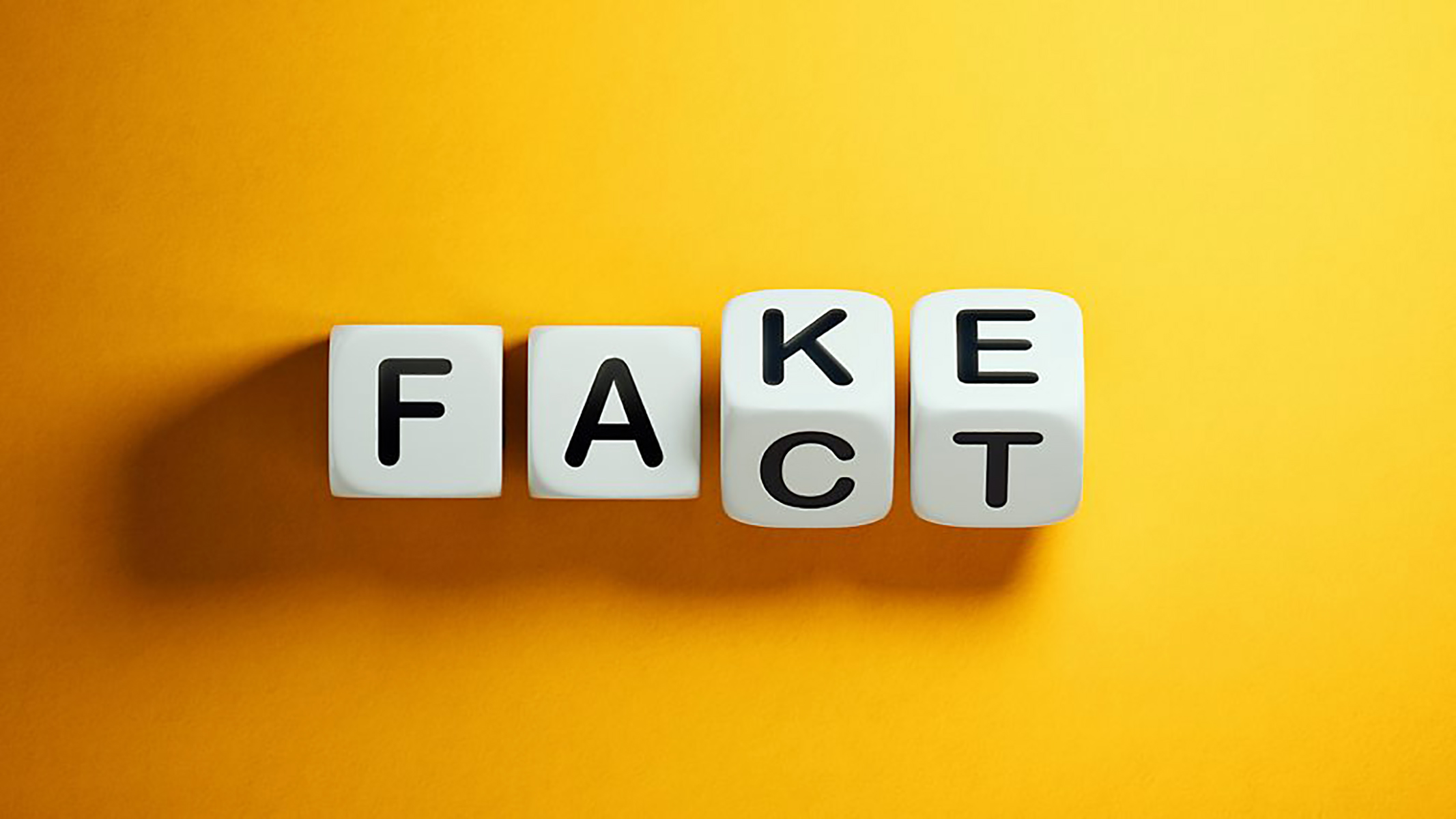
In a recent discussion between two YouTubers/musicians, Rick Beato and Jason Hawkins (https://youtu.be/KNNMd0EJIPY?si=xknjhODg_9i-gBxp) a conversation developed concerning music as content and art. The conversation focused on the idea of connectability. This was perhaps inevitably based on the issues surrounding AI, which are as prominent in the world of music today as they are in photography. Perhaps more so!
This made me think. Music is about the ears and photography is about the eyes. The heard versus the seen. Both can deceive, but it is easier to see the fingerprint of AI than it is to hear it. Or at least I thought. Youtube has at least one person questioning the use of AI in live and recorded music, Fil at Wings of Pegasus, who makes analysis videos of live and recorded performances. I am not aware of anyone in the photography world doing the same. I wonder why? The idea of ‘perfection’ is evident in all AI manipulation; perhaps photographers believe that is acheivable and desirable? The idea of whose definition of perfection is open for debate, but perhaps more importantly the question as to why creatives need ‘perfection’ is I think central to this discussion.
Our lives are filled with imperfections and it is those imperfections that make life so interesting. The broken, the aged, the incomplete, the decayed, the worn and the imperfect are relatable to all of us. They are who we are and what we see. The time worn face is always more interesting than the immaculately smooth skin in the stories it has to tell. And yet, AI feeds us with a false narrative. One that suggests that perfection is in itself perfection. The Holy Grail that can and should be achieved. In essence it is all that it can offer, but of course such perfection is in reality fake.
Such fakeness is outside of our real life experience and therefore unconnectable. It has no relation to our lives and therefore lacks authenticity. It is this authenticity that is the most important ingrediant in music and photography. This is the point that Rick and Jason were making. However, there is a problem with this. What happens when all we hear and see is false? Do we forget what is real?
This question leads to an assesment of expectation. Do we expect a live band to always sound great? The singer to always be in tune? Always to be singing even when dancing around a stage, hanging from a ballon or climbing stairs? Do we expect every photograph to always be in hyper focus, perfectly lit and composed? I would hope not, but if we do, are we excepting the fakery and denying the reality of our own lives. An expectation of our own lives that then becomes confused with the inevitable outcomes for our mental wellbeing. Perfection is unattainable for most and that is fine, if not a good thing.
For me the interest is in the mistakes, the gritty stuff, the honesty of existence. Let’s put this in simple terms. Content is product, art is important. AI is great at producing content. Stuff that tells a story of perfection, fantasy and aspiration. Where as art attempts to express the human condition. It attempts to connect through shared experience. The photographer does this by being there, by acting as the bridge between the experience and the viewer through a visual recording of what was seen. This is something that AI cannot do. It will never be at the place where anything happens.
AI is a tool and like all tools it needs to be used carefully and appropriately. Musicians knows this. People selling music are less interested. It’s the same with photography. Like photography it must understand that fashions and styles come and go with a resultant archive of dated material. Therefore, photographers should be aware of locking in too closely to the current zeitgeist. They should also be careful of being seduced into the world of false perfection. See something, press the button and show what you see. It really is that simple.
Dr.Grant Scott
After fifteen years art directing photography books and magazines such as Elle and Tatler, Scott began to work as a photographer for a number of advertising and editorial clients in 2000. Alongside his photographic career Scott has art directed numerous advertising campaigns, worked as a creative director at Sotheby’s, art directed foto8 magazine, founded his own photographic gallery, edited Professional Photographer magazine and launched his own title for photographers and filmmakers Hungry Eye. He founded the United Nations of Photography in 2012, and is now a Senior Lecturer and Subject Co-ordinator: Photography at Oxford Brookes University, Oxford, and a BBC Radio contributor. Scott is the author of Professional Photography: The New Global Landscape Explained (Routledge 2014), The Essential Student Guide to Professional Photography (Routledge 2015), New Ways of Seeing: The Democratic Language of Photography (Routledge 2019), What Does Photography Mean To You? (Bluecoat Press 2020) and Inside Vogue House: One building, seven magazines, sixty years of stories, (Orphans Publishing 2024). His photography has been published in At Home With The Makers of Style (Thames & Hudson 2006) and Crash Happy: A Night at The Bangers (Cafe Royal Books 2012). His film Do Not Bend: The Photographic Life of Bill Jay was premiered in 2018.
© Grant Scott 2026

Leave a Reply