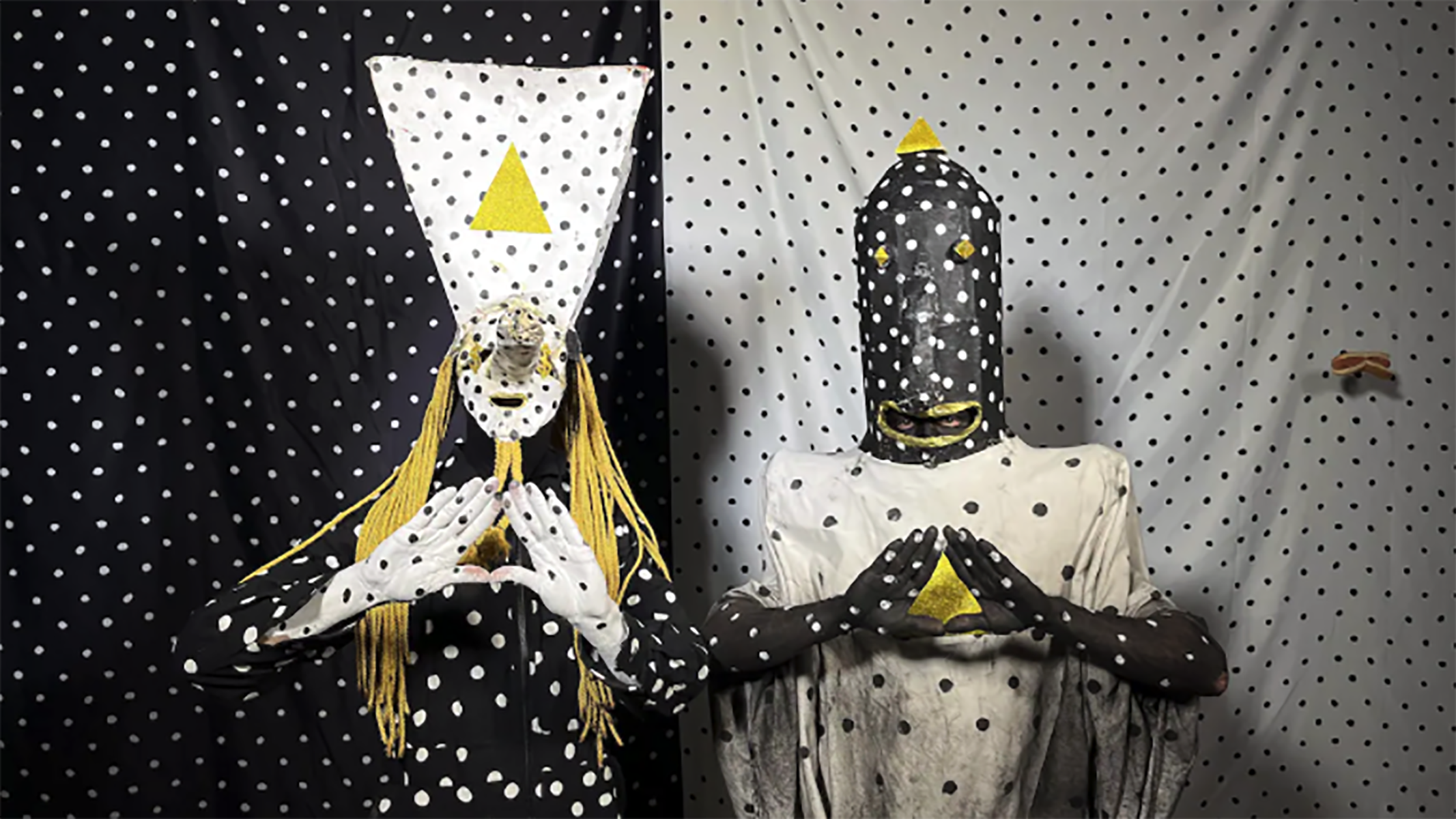
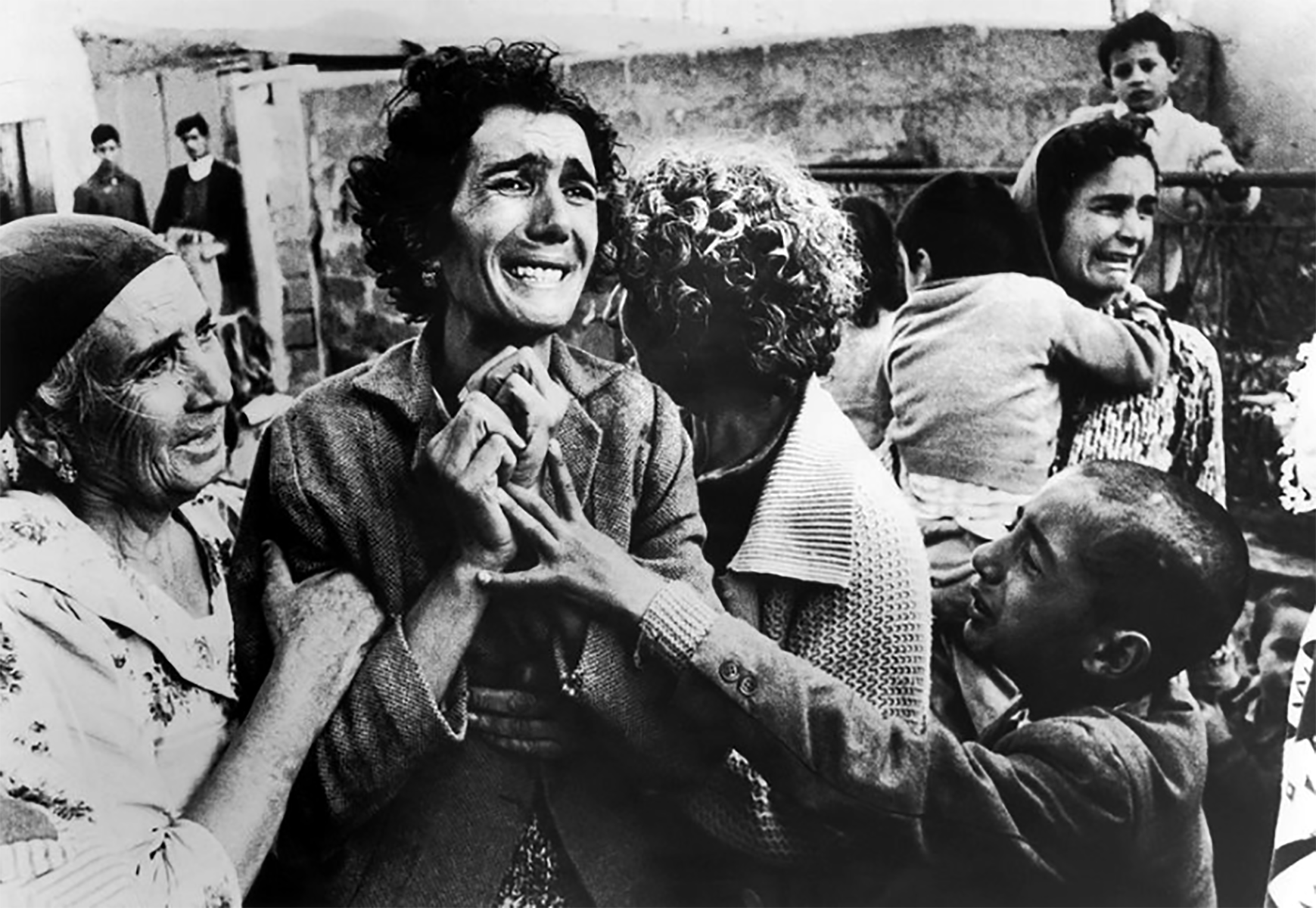
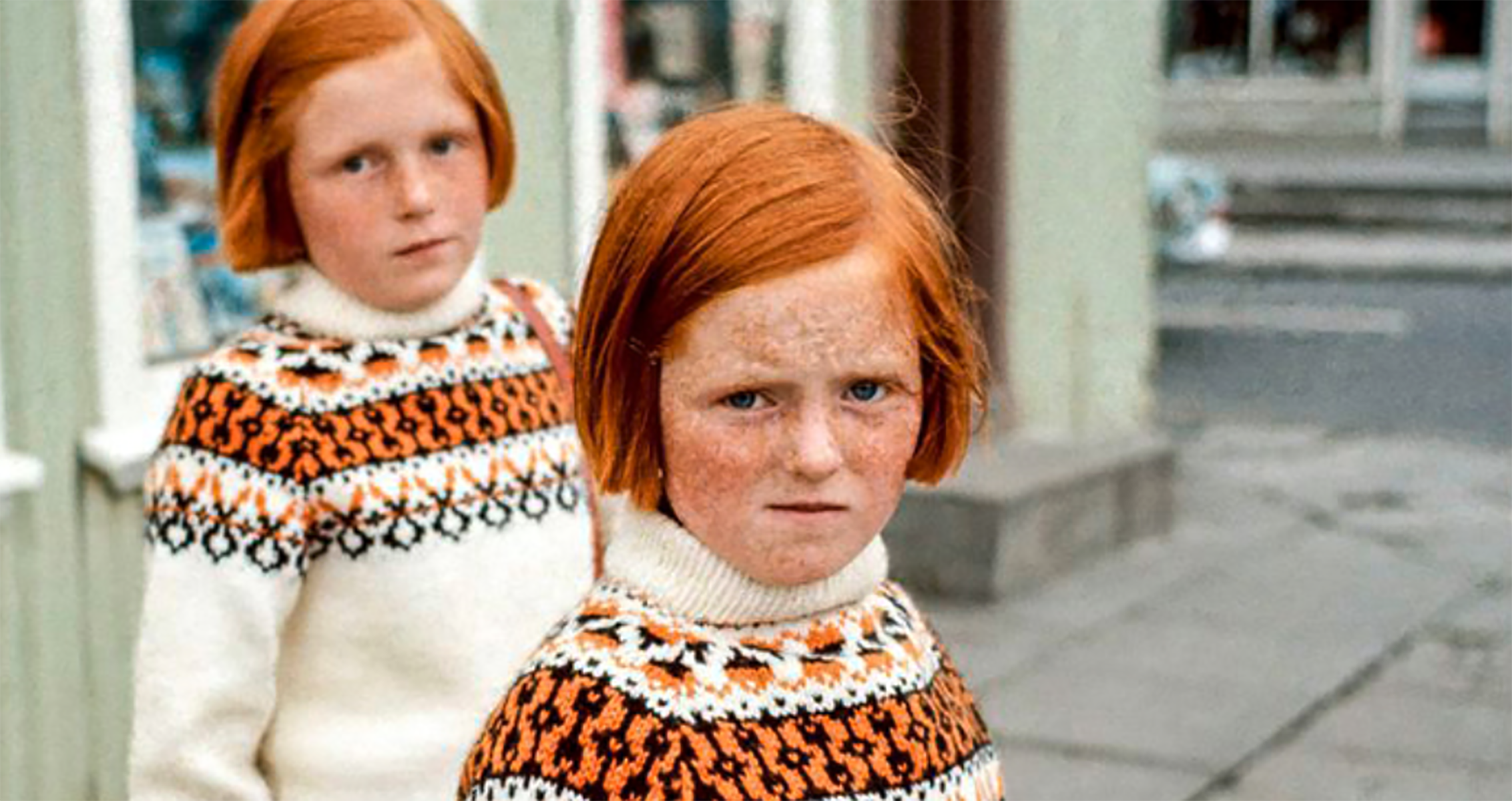
In this monthly conversation series Grant Scott speaks with editor, writer and curator of photography Bill ShapiroIn an informal conversation each month Grant and Bill comment on the photographic environment as they see it. This month they reflect on street photography.

Bill Shapiro
Bill Shapiro served as the Editor-in-Chief of LIFE, the legendary photo magazine; LIFE’s relaunch in 2004 was the largest in Time Inc. history. Later, he was the founding Editor-in-Chief of LIFE.com, which won the 2011 National Magazine Award for digital photography. Shapiro is the author of several books, among them Gus & Me, a children’s book he co-wrote with Rolling Stones guitarist Keith Richards and, What We Keep, which looks at the objects in our life that hold the most emotional significance. A fine-art photography curator for New York galleries and a consultant to photographers, Shapiro is also a Contributing Editor to the Leica Conversations series. He has written about photography for the New York Times MagazineVanity Fair, the AtlanticVogue, and Esquire, among others. Every Friday — more or less — he posts about under-the-radar photographers on his Instagram feed, where he’s @billshapiro.

Dr.Grant Scott
After fifteen years art directing photography books and magazines such as Elle and Tatler, Scott began to work as a photographer for a number of advertising and editorial clients in 2000. Alongside his photographic career Scott has art directed numerous advertising campaigns, worked as a creative director at Sotheby’s, art directed foto8magazine, founded his own photographic gallery, edited Professional Photographer magazine and launched his own title for photographers and filmmakers Hungry Eye. He founded the United Nations of Photography in 2012, and is now a Senior Lecturer and Subject Co-ordinator: Photography at Oxford Brookes University, Oxford, and a BBC Radio contributor. Scott is the author of Professional Photography: The New Global Landscape Explained (Routledge 2014), The Essential Student Guide to Professional Photography (Routledge 2015), New Ways of Seeing: The Democratic Language of Photography (Routledge 2019), and What Does Photography Mean To You? (Bluecoat Press 2020). His photography has been published in At Home With The Makers of Style (Thames & Hudson 2006) and Crash Happy: A Night at The Bangers (Cafe Royal Books 2012). His film Do Not Bend: The Photographic Life of Bill Jay was premiered in 2018.

Scott’s book Inside Vogue HouseOne building, seven magazines, sixty years of stories, Orphans Publishing, is on sale now wherever you buy your books.

Image: Ave Pildas

Mentioned in this episode:
Jennifer Schlesinger, Obscura Gallery:  IG: @obscuragallerysfGallery Site
Alex Harris: @ourstrangenewland and site: https://alex-harris.com/publications/our-strange-new-land
Joseph Michael Lopez: @josephmlopez and site
Ave Pildas: @avepildas and site
https://www.joelmeyerowitz.com
https://juliehrudova.com
https://en.wikipedia.org/wiki/Walker_Evans

© Grant Scott 2025


Discover more from The United Nations of Photography

Subscribe to get the latest posts sent to your email.

5 responses to “Podcast: A Photographic Life, Episode 373: The Conversation with Bill Shapiro ‘What Is Street Photography?’”

  1. […] I Listened To This Week: The UN of Photography podcast, where Grant and Bill Shapiro discuss street […]

  2. You both (Grant and Bill) missed a gigantic clue that you waved in the air when dating what you considered the seminal T&H book: digital.

    Before digital came along, it took money to make photographs. In other words, you required commitment to both some subject and the process before you’d do it. After digital entered the game, that no longer held: once you owned the camera and even a single lens, you were in business and could start to spend time making photographs. Of course, that instantly created a massive problem: what can you photograph without breaking the bank, and why would you choose to do it? The choices, if you exclude the boredom of photographing your pet, are not as plentiful and interesting as they might seem once you sit down and consider the options.

    An interest in photography usually requires a trigger. For many of us it used to be an interest in good-looking women, hence the drive towards fashion and pretty much anything to do with show business. Neither of those choices was easy to realise. Today, even people who have been doing it all their career have a hard time staying with it. What chance anybody else sans connections or geographical advantages? At once there is a popular, easy-access choice: street. Every goddam town has at least one of those. Game on!

    As to the definitions of street, where you decide to pin the tail depends largely on your age. I’m older than you – 88 last time I checked – and we used to have what was indeed called reportage, and also, more loosely, candid. Reportage was more associated with journalism, with the concept of telling some kind of story. (Story, sadly, is another word that has been hijacked in recent art conversation, applied to things where no story should need to exist or be expected to apply. It’s as if the single image is somehow inferior to a collection of, often, much lesser ones.) Candid, on the other hand, covered what today, broadly speaking, lives under the street umbrella, red or otherwise. Norman Hall’s Photography was a great magazine; my first published picture was there; I came across Horvat and several other European photographers for the first time in those pages.

    There’s an interesting old book called Paris Mon Amour (Taschen) that goes way back, and it is filled with reportage photography, and reportage it’s deemed to be because the photographers earned their living from it, telling stories and producing a specific kind of socialist/communist fodder that was desired by the magazines for which the stuff was shot. The concentration on particular social classes is obvious when one realises why the photographs were made in the first place: they were reports, documentation.

    The death of those magazines and the changing economic status of such “models” because of introduced or improved social lifeboats has changed the plot somewhat.

    So, if the urge to emulate Doisneau or HC-B is there in some young heart, so is the problem of finding the same characters for the show that that young guy wants to produce. Bill loves red umbrellas, a device for whose popularity Saul will ever bear the guilt, but here’s something to consider: once Saul went digital, he lost his own look. Check it out if you don’t believe me. Digital has had a massive visual impact, not necessarily a benign one.

    Street, as a word, is similar to love: each person owns their own interpretation of just what that means.

    Yes, interesting conversations you two have, but where does one find the replies from listeners? Here, the platform where I listen, replies are thin on the ground.

    1. I read responses on the podcast. Thanks for the response here!

  3. What a great podcast this is, one of the better conversations about the nature of this subject. As one of the “old guys” I got a laugh from that comment. The word that often comes to my mind when seeing unoriginal work is tropes. I see that with work that springs from the Alex Webb fountain. The answer for me in regards to what my own work is about is being answered by the reality of being solidly in the seventh decade of my life. Thank you both for a very thoughtful discussion.

    1. Our pleasure and thanks for the positive feedback. I hope you enjoy some of our past episodes and future ones of course!

Leave a Reply to Rob CampbellCancel reply

This site uses Akismet to reduce spam. Learn how your comment data is processed.

Trending

Discover more from The United Nations of Photography

Subscribe now to keep reading and get access to the full archive.

Continue reading