
You might want to sell prints, promote an exhibition, publish a photo book, make people aware of your website or a project you are working on. If you do social media is your free friend, but it can also be your enemy. I understand that many people dislike all forms of social media, but I am not talking about its use here as a form of personal engagement. This is a business decision. Do you want to let people know what you do, or would you prefer not to? It’s your choice, but the second option really makes no sense. Even if you don’t ‘like’ social media.
So, let’s accept that you do want to communicate with those that you have never met and never knew existed. The reality of social media. Then you are going to have to accept some of the rules of marketing. The first is that one message, given once is not enough. If you want to promote your work, you are going to have to accept that it will be hard work, based on creativity, audience empathy and repetition.
Firstly, you need to define your audience. Are they local, national or international. If they are the first option you are best use Facebook and locally focused pages. Every town has at least a few of these, as well as camera clubs and specialist interest pages, that may connect with your work. If they are the second two you are going to need to use Threads, Bluesky and Instagram or preferably all three.
Whichever audience and platforms you choose, the time you post is critical to maximum awareness. Think about when most people will be online or might check their social media. Usually, this is at the start and end of the day, especially when commuting and during a lunch break. Internationally these will be affected by time zones and this will need to be taken into consideration.
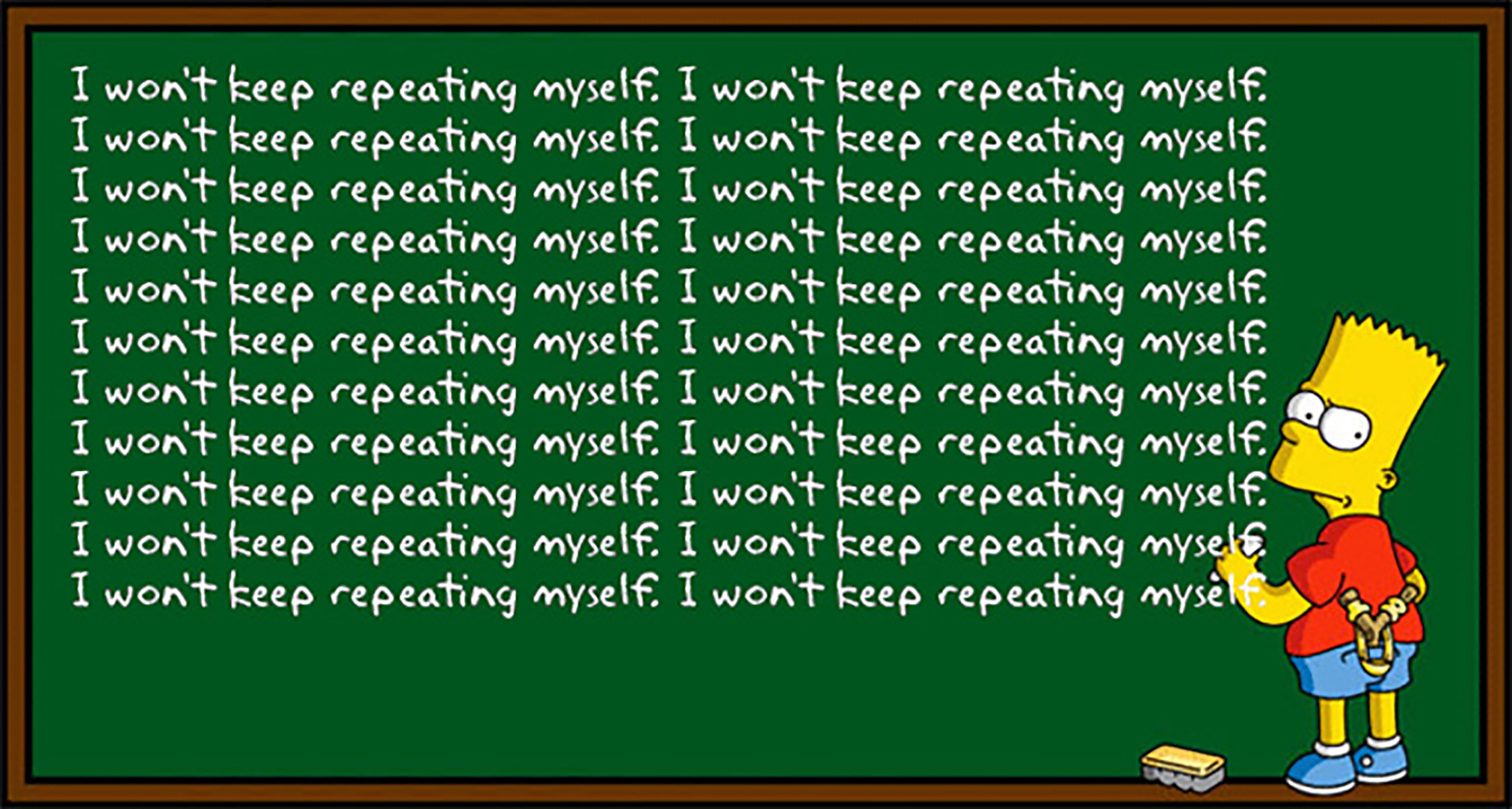
Once you have worked all of this out, you need to accept one important reality. Repetition needs to be your friend, not your enemy. You are going to need to find a balance between constant information and constant irritation.
You will need to promote every day, and all day until the date you’ve chosen to publish your book, open your exhibition or end your campaign. That’s a commitment, but it is required. Anything less is working at the minimum and this is a maximum process. However, constantly putting out the same post will soon lose you friends and followers. You need to be creative with every post and think of new ways of saying the same thing, by changing the image and giving different reasons to engage.
All of this is required, as is the right tone of voice. Don’t shout, beg or whisper. Don’t be aggressive, or inappropriate. Be yourself! At least, how you are in social situations in-person. That is the key to being a social person online.
Selling your photography online is hard work, but it’s free to do and can be highly effective. You just have to follow some rules and be willing to devote yourself to an intensive campaign for a short period of time. I know that some of you will object to certain platforms due to the politics and behaviour of their owners. I also know that many of you don’t want to use social media, due to the negative impact it can have on mental well-being. I hear you. I don’t exist on social media as me, except on Facebook, but that is for one specific work reason. However, I do as unofphoto because to me social media is a work tool and that is an element of my practice I wish to promote.
It has always been the case that the media has had its fair share of corrupt barons, making money and spreading their ‘truth’. Our criticism of social media is not new, but sometimes if you want to communicate a message you have to use the most appropriate channel and that may mean biting the bullet more than just once.
Dr.Grant Scott
After fifteen years art directing photography books and magazines such as Elle and Tatler, Scott began to work as a photographer for a number of advertising and editorial clients in 2000. Alongside his photographic career Scott has art directed numerous advertising campaigns, worked as a creative director at Sotheby’s, art directed foto8 magazine, founded his own photographic gallery, edited Professional Photographer magazine and launched his own title for photographers and filmmakers Hungry Eye. He founded the United Nations of Photography in 2012, and is now a Senior Lecturer and Subject Co-ordinator: Photography at Oxford Brookes University, Oxford, and a BBC Radio contributor. Scott is the author of Professional Photography: The New Global Landscape Explained (Routledge 2014), The Essential Student Guide to Professional Photography (Routledge 2015), New Ways of Seeing: The Democratic Language of Photography (Routledge 2019), What Does Photography Mean To You? (Bluecoat Press 2020) and Inside Vogue House: One building, seven magazines, sixty years of stories, (Orphans Publishing 2024). His photography has been published in At Home With The Makers of Style (Thames & Hudson 2006) and Crash Happy: A Night at The Bangers (Cafe Royal Books 2012). His film Do Not Bend: The Photographic Life of Bill Jay was premiered in 2018.
© Grant Scott 2026
Leave a Reply