
Show me a photographer who hasn’t got anything, anywhere or anyone to photograph and I will show you a person with a camera. Not a photographer. Just as a journalist need’s a story to tell, so does a photographer whether they are an enthusiast, hobbyist or professional. Photography is a means of communication and therefore we need something to say. We can’t just make this up, photography is not fiction, we need to find a narrative.
It is in the finding of this ‘thing’ that tests the photographer’s skills in more areas than just photography. Research is the key to finding; the process of finding out. Now, the word research in relation to photography often gets an unfair negative reaction. This can come from those who see it as being restricted to the academic environment, but to do so would be to completely misunderstand the meaning of the word. Research does not only exist within libraries, it is not only conducted within the dusty halls of academia. Research is available everywhere. On the street, having a coffee or a beer, watching a film, listening to music, shopping, eating, wandering. What we see, hear and read can all inform our research. However, to avoid confusion let’s not use the word research and instead replace it with the word ‘knowledge’. Who doesn’t want that?
The biggest issue I come across with photographers who do not see the value of, or conduct knowledge searching to making photographic work, is the lack of understanding of how to create a body of work. I don’t just mean looking at photographers, although that is important, but at everything around you, the people, places and thngs you want to photograph. It is this knowledge that provides a foundation for and reason to create work. It provides the narrative spine to a body of images. I often call this connnected thinking.
You have an idea and that idea needs to be interrogated, it needs to be questioned as to how, where, why and when. The answers to these questions provides knowledge and the resultant knowledge leads to further investigation. At this stage you may not be making photographs, but the intellectual and creative satisfaction that can come from the gaining of knowledge adds to the satisfaction when you do. In addition, professional photographers need to be marketeers, networkers, accountants, collaborators, team players, and digitally confident. We know that. Others add to these attributes by embracing film making, broadcasting, writing, publishing and design.
At different times each of these skills come to the fore, whilst photography remains a constant, but not always a dominant aspect of any photographic practice. This is the basis of the polymath. Polymaths are those who have not committed to a single area of knowledge and have dedicated themselves to exploring different opportunities by taking advantage of the circumstances offered by technological evolution and the increasingly blurred boundaries of scientific, business and creative disciplines. That my friends is the Twenty First Century photographer in one simple definition. We are renaissance men and women, who seek to develop our abilities in all areas of accomplishment: intellectually, artistically, socially, physically, and spiritually. You might like to consider that the next time you are asked to describe photography and the role of the photographer today, not the person who just makes photographs.
Dr.Grant Scott
After fifteen years art directing photography books and magazines such as Elle and Tatler, Scott began to work as a photographer for a number of advertising and editorial clients in 2000. Alongside his photographic career Scott has art directed numerous advertising campaigns, worked as a creative director at Sotheby’s, art directed foto8 magazine, founded his own photographic gallery, edited Professional Photographer magazine and launched his own title for photographers and filmmakers Hungry Eye. He founded the United Nations of Photography in 2012, and is now a Senior Lecturer and Subject Co-ordinator: Photography at Oxford Brookes University, Oxford, and a BBC Radio contributor. Scott is the author of Professional Photography: The New Global Landscape Explained (Routledge 2014), The Essential Student Guide to Professional Photography (Routledge 2015), New Ways of Seeing: The Democratic Language of Photography (Routledge 2019), What Does Photography Mean To You? (Bluecoat Press 2020) and Inside Vogue House: One building, seven magazines, sixty years of stories, (Orphans Publishing 2024). His photography has been published in At Home With The Makers of Style (Thames & Hudson 2006) and Crash Happy: A Night at The Bangers (Cafe Royal Books 2012). His film Do Not Bend: The Photographic Life of Bill Jay was premiered in 2018.
© Grant Scott 2026
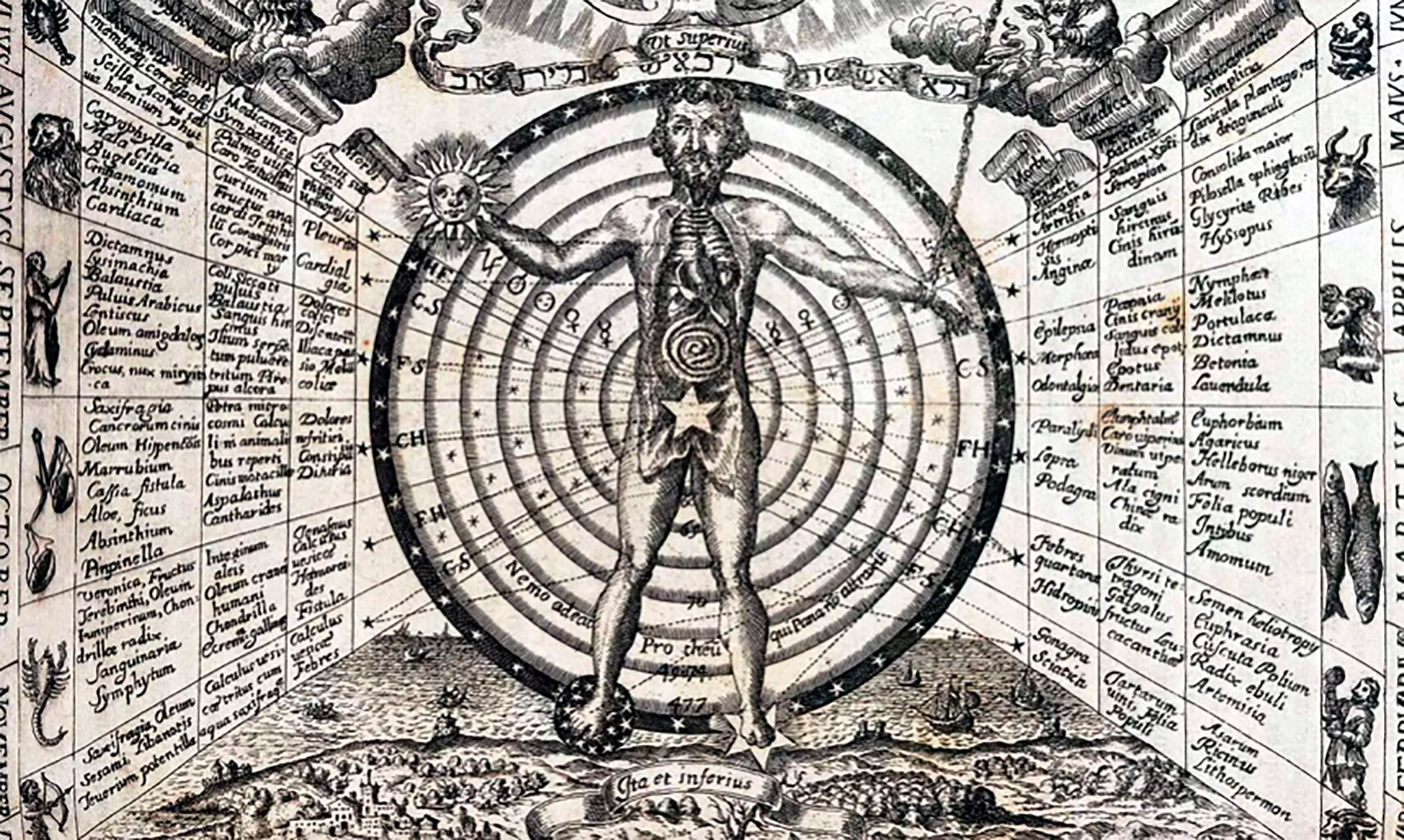
Image: This chart is taken from the book ‘Ars Magna Lucis Et Umbrae’ which was published in 1646 by the Jesuit scientist and inventor, Athanasius Kircher (1602-1680).
Leave a Reply