
In episode 370 UNP founder and curator Grant Scott is in his garage reflecting on the small and big things that impact on the everyday engagement we all have with photography.
Mentioned in this episode:
https://www.modernfilms.com/twostrangers
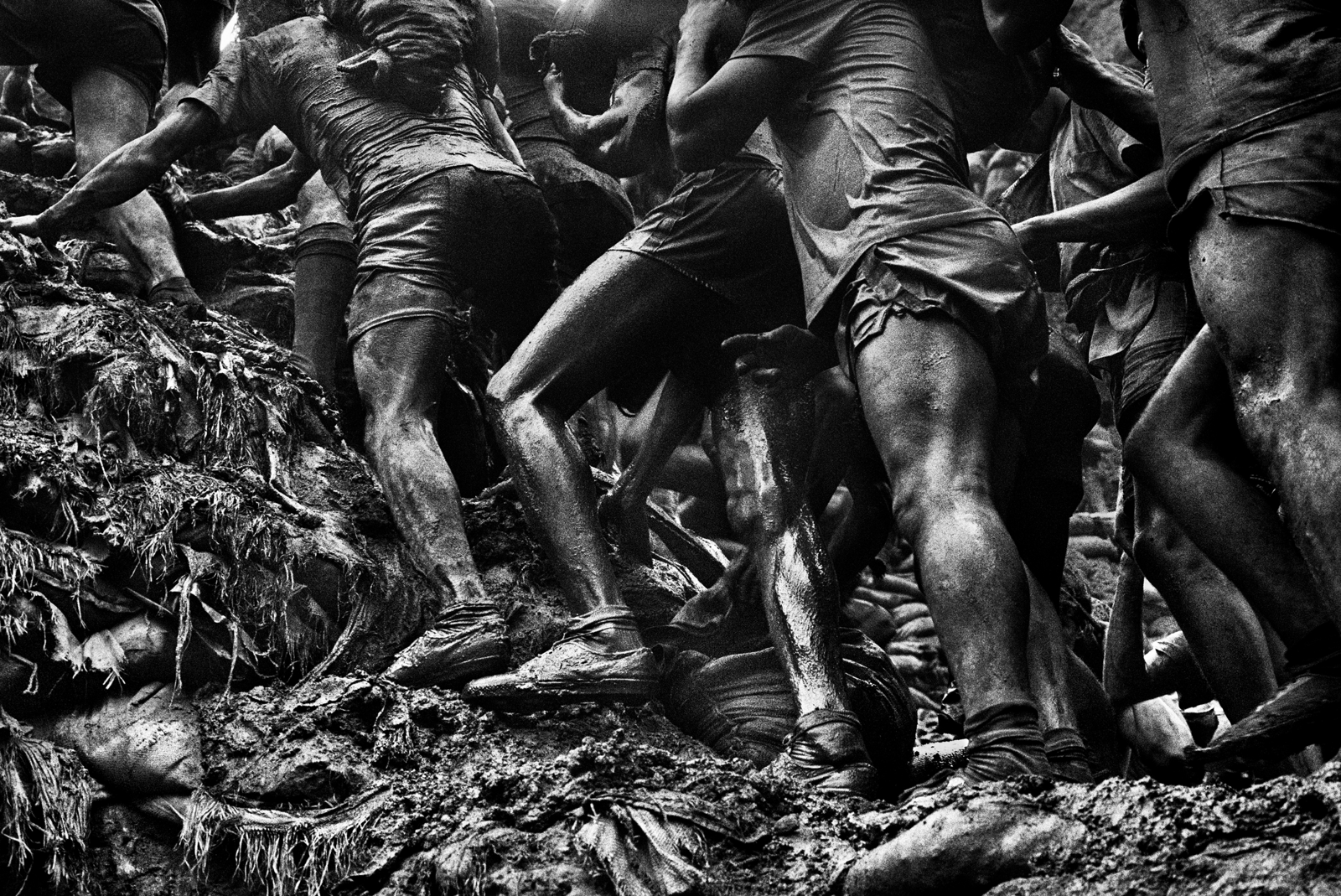
https://www.bbc.co.uk/sounds/play/m001yqp9 or https://podcasts.apple.com/us/podcast/this-cultural-life/id1588922162?i=1000654305979 Brazilian photographer Sebastião Salgado is best known for his captivating black and white photographs. He has documented scenes of hardship and desperation in times of war and famine; he has explored global labour and migration; and he has captured the wonders of the natural world. Salgado has worked in more than 120 countries over the last 50 years, and is now regarded as one of the all time greats of photography. His images are in the collections of museums and galleries around the world, he won the prestigious Premium Imperiale arts prize in 2021 and was the 2024 recipient of the Sony World Photography Award for outstanding achievement. Raised on this a cattle farm in eastern Minas Gerais state, an early formative experience was leaving home for the city of Vitória in 1960. It was here, watching ships dock from all around the world, that he first felt the desire to travel. It’s also where he met his wife Lélia who is his curator and editor. He began a promising career as an economist but switched to photography in the early 1970s, after he and Lélia bought their first camera on holiday. Joining the Magnum agency, the international cooperative of photographers, in 1979 allowed him to refine his craft with the help and advice of photography greats such as Robert Capa and Henri Cartier-Bresson. Salgado tells John Wilson about some of his most famous photo series, including those on the theme of manual labour which he called Workers; and Exodus, the stories of global migration. Covering the Rwandan genocide in 1994 as well as years of photographing refugees from wars, natural disasters and poverty finally took its toll on Salgado’s health. He stopped photographing and returned to Brazil, where he and Lélia began reforesting his father’s farm, now transformed into a National Park of lush vegetation called Instituto Terra. The success of this venture led to Salgado returning to photography, this time seeking out beauty and landscapes in series called Genesis, his love letter to the planet.
Image: Sebastião Salgado, Serra Pelada Gold Mine, 1986. © Sebastião Salgado.
Dr.Grant Scott
After fifteen years art directing photography books and magazines such as Elle and Tatler, Scott began to work as a photographer for a number of advertising and editorial clients in 2000. Alongside his photographic career Scott has art directed numerous advertising campaigns, worked as a creative director at Sotheby’s, art directed foto8magazine, founded his own photographic gallery, edited Professional Photographer magazine and launched his own title for photographers and filmmakers Hungry Eye. He founded the United Nations of Photography in 2012, and is now a Senior Lecturer and Subject Co-ordinator: Photography at Oxford Brookes University, Oxford, and a BBC Radio contributor. Scott is the author of Professional Photography: The New Global Landscape Explained (Routledge 2014), The Essential Student Guide to Professional Photography (Routledge 2015), New Ways of Seeing: The Democratic Language of Photography (Routledge 2019), and What Does Photography Mean To You? (Bluecoat Press 2020). His photography has been published in At Home With The Makers of Style (Thames & Hudson 2006) and Crash Happy: A Night at The Bangers (Cafe Royal Books 2012). His film Do Not Bend: The Photographic Life of Bill Jay was premiered in 2018.
Scott’s book Inside Vogue House: One building, seven magazines, sixty years of stories, Orphans Publishing, is now on sale.
© Grant Scott 2025
Leave a Reply