
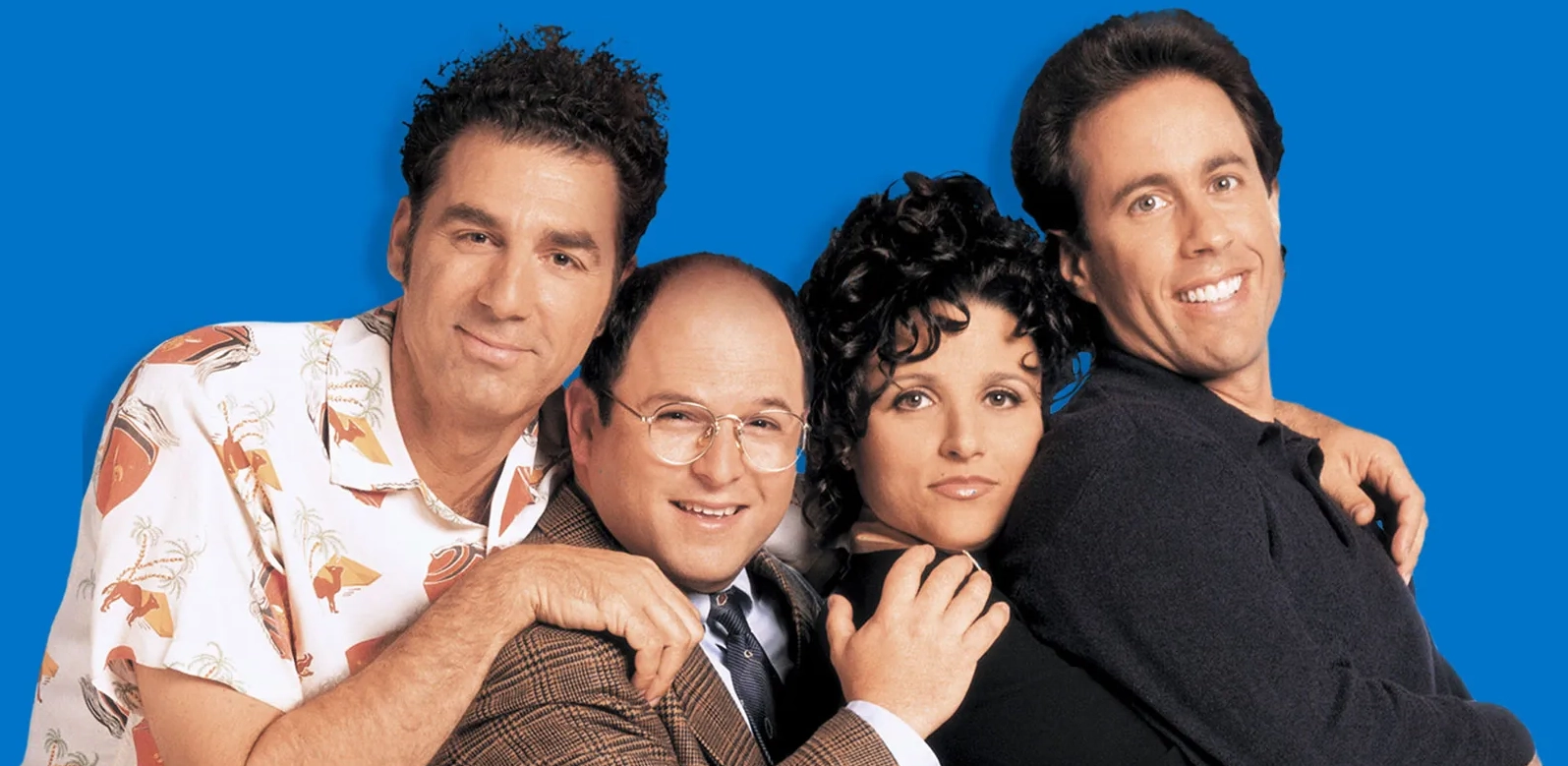
I am a big fan of the comedy series Seinfeld. I’ve seen every episode and occasionally fall into the trap of repeating key lines mainly in reference to soup, big salads, little kicks, babies and close talkers. However, Seinfeld set out to be a comedy in which nothing happened. I like that premise because in truth something is always happening as Jerry, George, Elaine l, Kramer and Newman revealed in each episode.
I’ll be honest. I never understood photography that attempted to do the same thing as the writers of Seinfeld. It seemed pointless, too easy. I was interested in photographs that had a visceral quality, glamour, attitude. Photographs that were easy to understand and admire.
I dismissed the work of Eggleston, didn’t understand Robert Frank and had no time for the New Topographics. I had never formally studied photography and therefore no academic had ever tried to explain their importance or introduced me to the writers who promoted photography as contemporary art practice. So, I tried to read the key texts and I failed. They meant as little to me as the work and photographers they were exalting. Perhaps, worse than that their dense prose and convoluted thought processes made me feel that the work was not for me. That I was not intelligent enough to understand what I was looking at.
This of course was not the case but it felt like it. However, an exhibition of Eggleston’s work at The Barbican, London in the late 1980s was the beginning of a process of personal learning but I didn’t realise it at the time. It was only when I saw his images on the record covers of Primal Scream and Big Star that I started to make connections.
Not only were these images subject matter for critical theorists they worked in my world for a mass audience. To me this mattered, intrigued I started to learn more about the photographers who made this work. I began to understand what they were trying to do and I started to appreciate images I had previously dismissed. Suddenly, they made sense and resonated with me.
The inevitable conclusion of this revelation was that I started to make my own images of nothing. My ability to see and not just look started to evolve and my understanding of light, juxtapositions, narrative and composition became more sophisticated. I started to see and identify the photographers who could see what I could not and those who were creating work without the required depth of understanding.
This sense of awareness of work that is original and that which only replicates is essential when attempting to understand the photography of nothing as images of nothing can fall into the trap of being exactly that. The writers of Seinfeld understood that but still occasionally lost sight of their original intention.
Whatever we photograph we have to know why we are making the images to be able to judge their level of success. Something can come from nothing and nothing can come from something but only we know which of these intentions and outcomes is true. So, if you find yourself deriding images that document the in-between moments and the reality of nothing my suggestion is to take a moment to read about the photographers making the work. Not the critics or theorists attempting to explain the work but about the people for whom nothing means something. You may just experience the same epiphany as me and find a whole new approach to photography to explore.
Dr. Grant Scott is the founder/curator of United Nations of Photography, a Senior Lecturer and Subject Co-ordinator: Under Graduate and Post-Graduate Photography at Oxford Brookes University, Oxford, a working photographer, documentary filmmaker, BBC Radio contributor and the author of At Home With the Makers of Style (Thames & Hudson 2006), Professional Photography: The New Global Landscape Explained (Routledge 2014), The Essential Student Guide to Professional Photography (Routledge 2015), New Ways of Seeing: The Democratic Language of Photography (Routledge 2019) and What Does Photography Mean to You? (Bluecoat 2020).
His film Do Not Bend: The Photographic Life of Bill Jay was first screened in 2018 www.donotbendfilm.com and he is the presenter of the A Photographic Life and In Search of Bill Jay podcasts.
© Grant Scott 2023


Leave a Reply to Victor Bezrukov, photographerCancel reply