
There seems to be a lot of confusion amongst online ‘photo people’ about the use of the term ‘photojournalism’. Just as they do not seem to understand how and when to use the description ‘editorial’. Interestingly, both of these terms are based upon context, never ‘style’. The context of being published to support text, within a newspaper, magazine, online article or book. Contexts that rely upon the photographer being able to construct narrative, write, or work with a journalist. Both are the sweet spot in my opinion, where two art forms meet to become something stronger than either are individually.
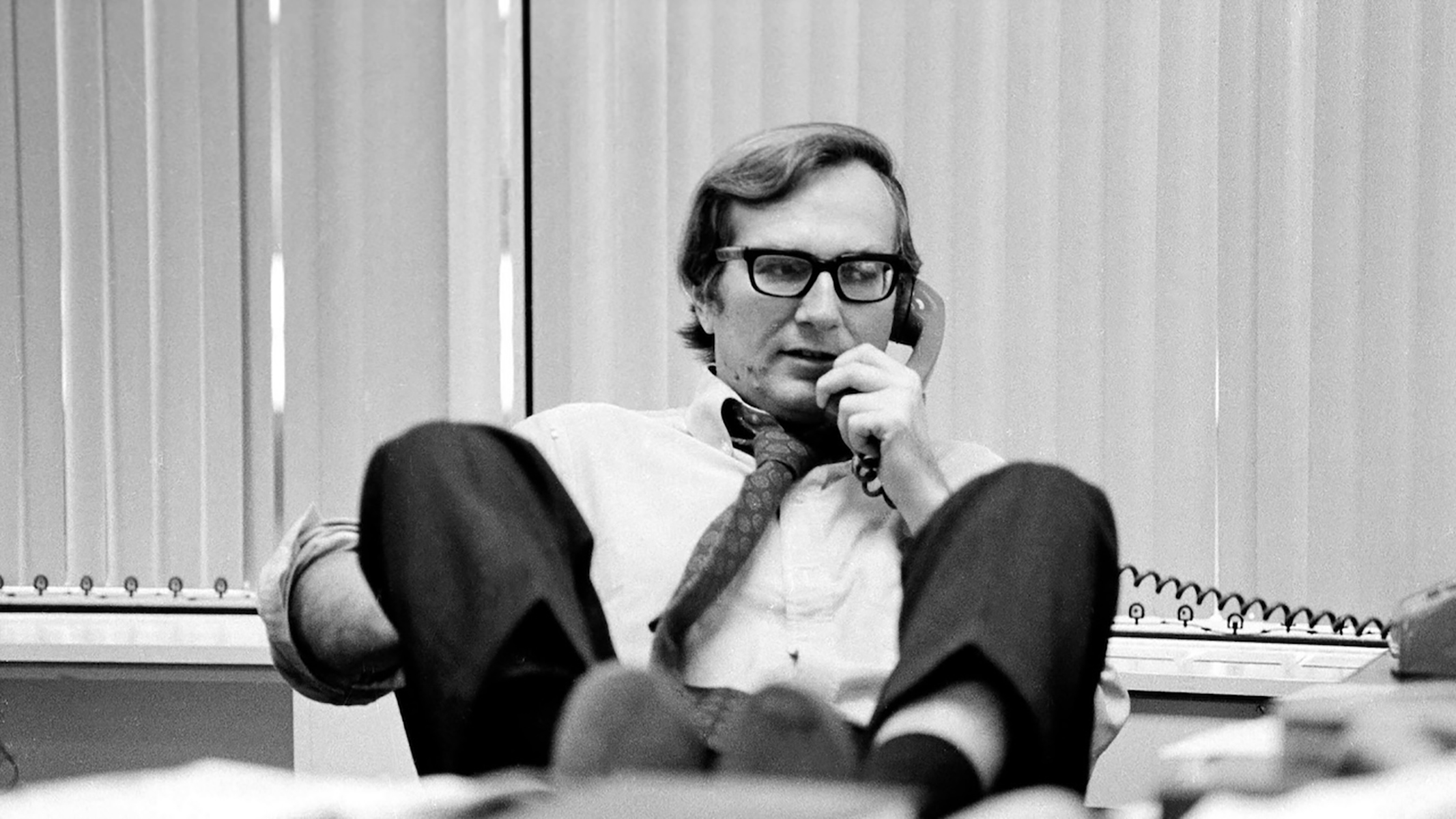
The title for this article came from the 2025 documentary film Cover-Up which explores the investigative journalism career of Seymour Hersh, a Pulitzer Prize winning journalist who exposed and documented the My Lai massacre during the Vietnam War and the Abu Ghraib torture scandal during the Iraq War. He also exposed and reported on the US secret U.S. bombing of Cambodia, the Watergate scandal, US corporate fraud, and the CIA’s program of domestic spying and covert action nationally and internationally. Hersh begain documenting crime in Chicago before Vietnam and has continued telling stories of secrecy and corruption ever since, including in Syria, Iraq and Iran for The New York Times and The New Yorker. Today, he reports weekly on his own Substack platform https://seymourhersh.substack.com. His work has always been published and still is.
Hersh is an investigative journalist, who has seen his writing published across the world. A man of words whose impeccable, intensive research underpins all of his work (despite once being fooled by some fake John F. Kennedy/Marilyn Monroe letters mentioned in the film). He understands storytelling, but not just through the written word. When investigating the US army abuses that took place at the Abu Ghraib prison in Iraq his reporting featured first-person depositions, however as he admits such evidence can always be refuted by those with something to hide. This didn’t stop Hersh reporting and having his findings published, and he appeared on a radio programme where he gave out his telephone number asking for anyone with information to get in touch. Within a few hours a women did who had photographs of some of the atrocities that had taken place. They had been left on her laptop by her former daughter-in-law whom she had lent the computer to. The woman felt compelled to share these with Hersh.
The images were the evidence he needed to support his reporting. The images could not be refuted. The atrocities had taken place and those who committed them were clearly identified. It was at this point in the film that the filmmaker asked Hersh what impact the photographs had on the story. He relpied that without them “there was no story”. I was struck by his honesty. Despite all of his written work, it was the photographs that provided the validation of his beliefs. Of his hours and hours of research.
I often say that photography is memory made history and this is the perfect confirmation of that statement. The Abu Ghraib images went on to become historial documents. Created by soldiers as memories of their time in Iraq, full of smiles and violence, abuse and torture. Not created by photographers, but by unintentional citizen journalists. This is ‘photo-journalism’ and when put within an editorial context ‘editorial photography’. It does not matter what the contextual intention of the people who made them was or thier prowess as photographers. They were created to be shared with friends and colleagues, with like-minded souls. Fortunately, not everyone who saw them was of the same mindset.
So, the next time you see or hear someone question the importance of photography (especially a writer or editor) you may like to recall and repeat the words of Seymour Hersh. However, I wouldn’t try to explain the true meanings of the terms ‘photo-journalism’ or ‘editorial’ in relation to photography. I have tried many times only to fail. Sometimes you can’t make people believe with just words you need photographs, and both are too difficult to define within showing and explaining those photographs in context. And that can take a very long time.
You can watch Cover-Up here: https://www.netflix.com/gb/title/82145211
Dr.Grant Scott
After fifteen years art directing photography books and magazines such as Elle and Tatler, Scott began to work as a photographer for a number of advertising and editorial clients in 2000. Alongside his photographic career Scott has art directed numerous advertising campaigns, worked as a creative director at Sotheby’s, art directed foto8 magazine, founded his own photographic gallery, edited Professional Photographer magazine and launched his own title for photographers and filmmakers Hungry Eye. He founded the United Nations of Photography in 2012, and is now a Senior Lecturer and Subject Co-ordinator: Photography at Oxford Brookes University, Oxford, and a BBC Radio contributor. Scott is the author of Professional Photography: The New Global Landscape Explained (Routledge 2014), The Essential Student Guide to Professional Photography (Routledge 2015), New Ways of Seeing: The Democratic Language of Photography (Routledge 2019), What Does Photography Mean To You? (Bluecoat Press 2020) and Inside Vogue House: One building, seven magazines, sixty years of stories, (Orphans Publishing 2024). His photography has been published in At Home With The Makers of Style (Thames & Hudson 2006) and Crash Happy: A Night at The Bangers (Cafe Royal Books 2012). His film Do Not Bend: The Photographic Life of Bill Jay was premiered in 2018.
© Grant Scott 2026



Leave a Reply