
Good and bad, I define these terms,
Quite clear, no doubt, somehow,
Ah, but I was so much older then,
I’m younger than that now.
Bob Dylan, My Back Pages
I’ll start by answering both of these questions with one clear and concise statement. In my opinion there is no such thing as either. I have never and will never use the words ‘good’ or ‘bad’ in relation to a photograph in my practice, writing, broadcasting or teaching. The reason for this is simple, but let’s go into it in a little depth.
I never critique a photograph, I never bring analysis or theory to someone else’s work. I don’t think I have a right to do so and therefore I don’t do it. Others feel differently to me, but I have my position and I stick to it. This is why. All opinions are subjective and however much research, belief and theory they are based in they still remain as purely subjective. One person’s interpretation of another’s intentions and it is intention that defines the success or failure of an image, not subjective likes or dislikes.
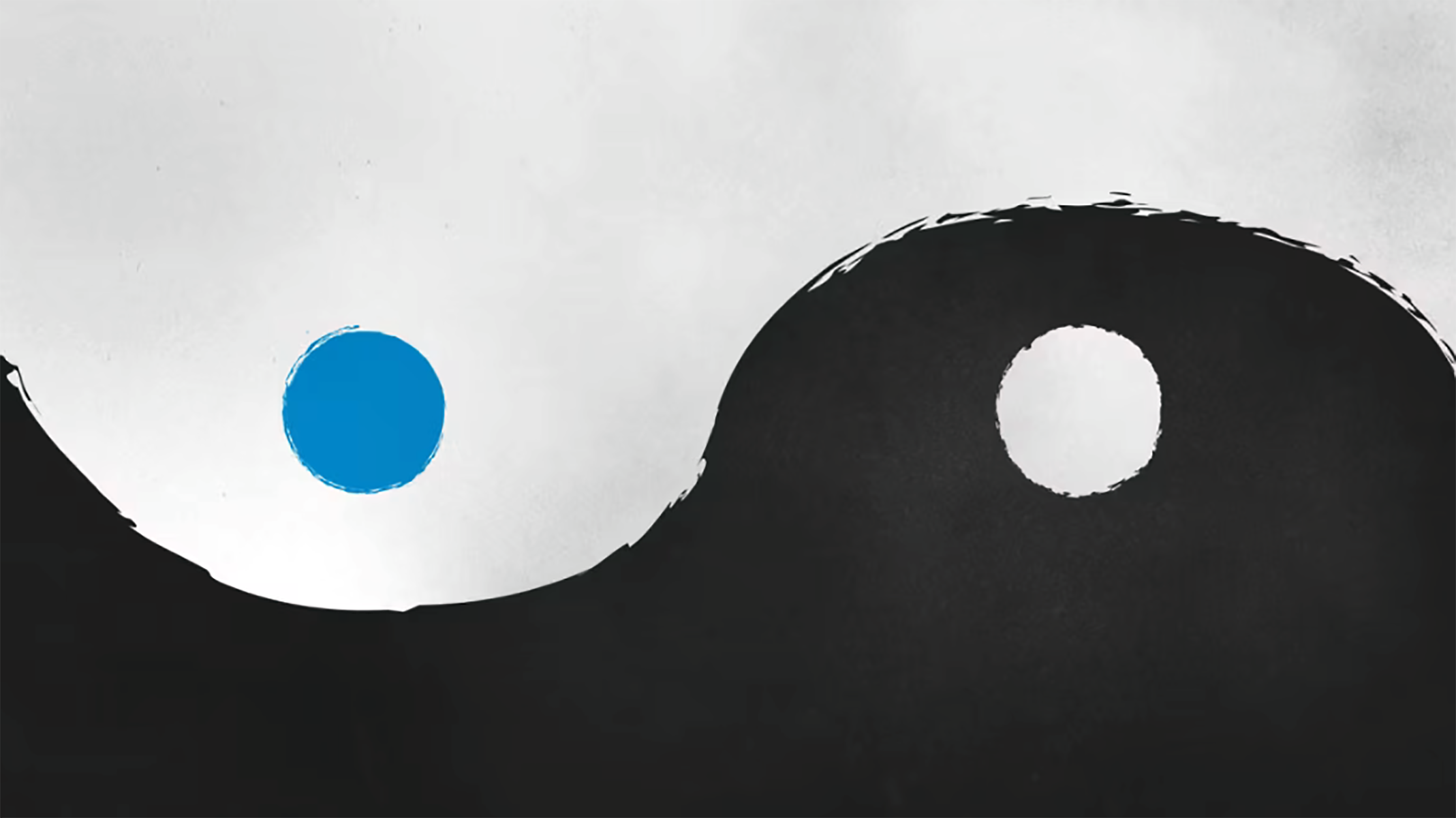
Let’s consider the Taoist lesson of the relative nature of ‘good’ and ‘bad’ illustrated by the 2,000-year-old story of the good (and bad) fortune that follows a farmer’s loss of his horse. First he loses his most valuable possession, then it returns bringing a dozen new horses with it, then his son breaks his leg while taming one of the new horses, and then the son is spared from being conscripted into the army because of the broken leg. It could keep going like that, but you get the picture. What is ‘bad’ leads to ‘good’ leads to ‘bad’ leads to ‘good’, ad infinitum. The farmer, who neither celebrates nor decries these events, is wise enough to know that it all comes out in the wash. As he repeats in the story, “Who knows what’s ‘good’ or ‘bad’?” ‘Bad’ can be ‘good’.
Now let’s come back to the present. As is so often the case I will turn to other forms of creative endeavour to help make my point. I am not interested in a music reveiwer telling me what they think of an album or concert. I am interested in the musician if they have something interesting to say. They may provide insight that the reveiwer cannot. The same is true of artists, designers, and any other creative, including photographers.
The problem is that too often that intention is not widely known. This leaves space for others to make-up their own reasons as to why they think a photograph has succeeded or not. This is never a good idea unless the person doing this is open to admitting that anything they say or write is nothing more than an opinion and never fact. It may be a well-informed opinion but that just makes it worth listening to not accepting as a truth. Opinions are like ears, we all have them, but some work better than others. Unfortunately, just like our ears opinions can be misheard and pick-up unwanted noise.
Many in photography base their opinions on technical excellence. That is the basis of their ‘good’ or ‘bad’. Their ‘bad’ is ‘bad’ with no space for ‘good’ to come from it. These are people looking for rules to follow and use to provide agreed outcomes. Sadly, this approach is prominent amongst teachers of photography at school and college level where grades are given on the basis of conformity rather than creativity (this is a discussion for another article but relevant here also). This is the issue with the ‘good’ or ‘bad’ approach to any creative medium. It doesn’t work. Their ‘good’is often boring, their ‘bad ‘good’ or interesting, but always dismissed.
There is no objective ‘good’ or ‘bad’ in photography and I have no interest in subjective opinions as a reliable guide to any bodies of work. I am interested in a photographer’s explanation if they give one and I will listen to and read others opinions, but they will not make me applaud or decry any photograph. They may help me understand an image and my enjoyment of it, but they will never define the success of a photograph for me.
I always use the work of Robert Frank to state my case as evidence in this discussion. A photographer who followed no rules. He said, “People want to know so much now. All the time, this wanting to know. Where does it lead? Nowhere… there are too many images, too many cameras now. We’re all being watched. It gets sillier and sillier. As if all action is meaningful. Nothing is really all that special. It’s just life.” I agree with him. There is too much talk about photographs, too many opinions being voiced. Too much of a desire to turn photography into a creative version of Trip Advisor where every opinion is of equal importance. Sadly they are not, and I include mine in this. Such an approach to creativity is counter productive. It focuses on repetition of the conservative and therefore kills the true spirt of experiemntation and failure, the two essential foundations of successful work. Therefore, my suggestion is to bin the ‘good’ and ‘bad’ labels and dimiss any rules you were taught. Instead, have fun, make mistakes and focus on intention. Oh! And keep having opinions, just recognise that, that is what they are, and don’t get angry if people don’t agree with you.
Dr.Grant Scott
After fifteen years art directing photography books and magazines such as Elle and Tatler, Scott began to work as a photographer for a number of advertising and editorial clients in 2000. Alongside his photographic career Scott has art directed numerous advertising campaigns, worked as a creative director at Sotheby’s, art directed foto8 magazine, founded his own photographic gallery, edited Professional Photographer magazine and launched his own title for photographers and filmmakers Hungry Eye. He founded the United Nations of Photography in 2012, and is now a Senior Lecturer and Subject Co-ordinator: Photography at Oxford Brookes University, Oxford, and a BBC Radio contributor. Scott is the author of Professional Photography: The New Global Landscape Explained (Routledge 2014), The Essential Student Guide to Professional Photography (Routledge 2015), New Ways of Seeing: The Democratic Language of Photography (Routledge 2019), What Does Photography Mean To You? (Bluecoat Press 2020) and Inside Vogue House: One building, seven magazines, sixty years of stories, (Orphans Publishing 2024). His photography has been published in At Home With The Makers of Style (Thames & Hudson 2006) and Crash Happy: A Night at The Bangers (Cafe Royal Books 2012). His film Do Not Bend: The Photographic Life of Bill Jay was premiered in 2018.
© Grant Scott 2026



Leave a Reply to gscott2012Cancel reply