
There was a time when every high street had a picture framer. A specialist in the art of print, wood, metal and glass. Masters of the well cut mount board and immaculately mitred corner. Then the ready-made began to appear on the shelves of DIY warehouses, department stores, online and in shops selling decorative stuff you don’t really need. A cheaper alternative to the hand-made solution and easier to update with a new image. But is it the right solution?
Discussions and considerations concerning acid free papers and non- reflective glass have been replaced by pre-cut mounts and acrylic plastic. Neither of which act as friends to your cherished prints. If cost is your only deciding factor then I understand why you might choose the easy option ( I think we all have at some point), but if you want to display, exhibit and protect your work an investment may be required.
In a conversation with a photographer friend of mine he revealed that his next exhibition would cost him £20,000 to frame. I was shocked by the level of investment, but not surprised by the photographer’s attention to detail and respect for his own work. I am not suggesting that you invest this much, but I share this story as an example of what some photographers are willing to spend. In the past my family owned the second largest framing materials supply company in the UK, so I have some experience of the framing world. How it works and the level of mark-up that is passed on to the customer and it is large. Is this fair? Well, in the days when most framing was done by one-man-bands in their spare rooms I think not, but when it is handled by a framing master then you get what you pay for.
These are the people who consider conservation and only use 100% cotton mount boards that are acid-free. They will advise on the type of mount, the thickness of the mount, float mounts, dry mounting and slot-mounting. There is a lot to consider, so here are a few facts for you to remenber to check. Glazing should be at least 99 % UV protective, and the space between glazing and artwork should be at least 1/4”, if you are using a mat board then the quality should be cotton rag archival, hinges should be water or alcohol based and not pressure sensitive. When making any mounting reversible, backing and filler should be of a non-reactive material, and the hanging hardware should be a two point system or wire at a 60% angle. If your framer can respond to these details positively then stick with them, if not move on to someone else.
A good framer will listen to you and hopefully respond to the work you want to have framed, the process of having your work framed needs to be a collaboration not just a service and this means you listening to them as well as explaining your needs. For too many years photographers seemed to feel that only a simple thin black frame was appropriate for photographs (the cheapest of all frame mouldings by the way) and that was that! This despite the fact that all other forms of art were using mouldings and approaches to framing that complimented the work it was presenting. Art was experimenting, whilst photography was definitely not.
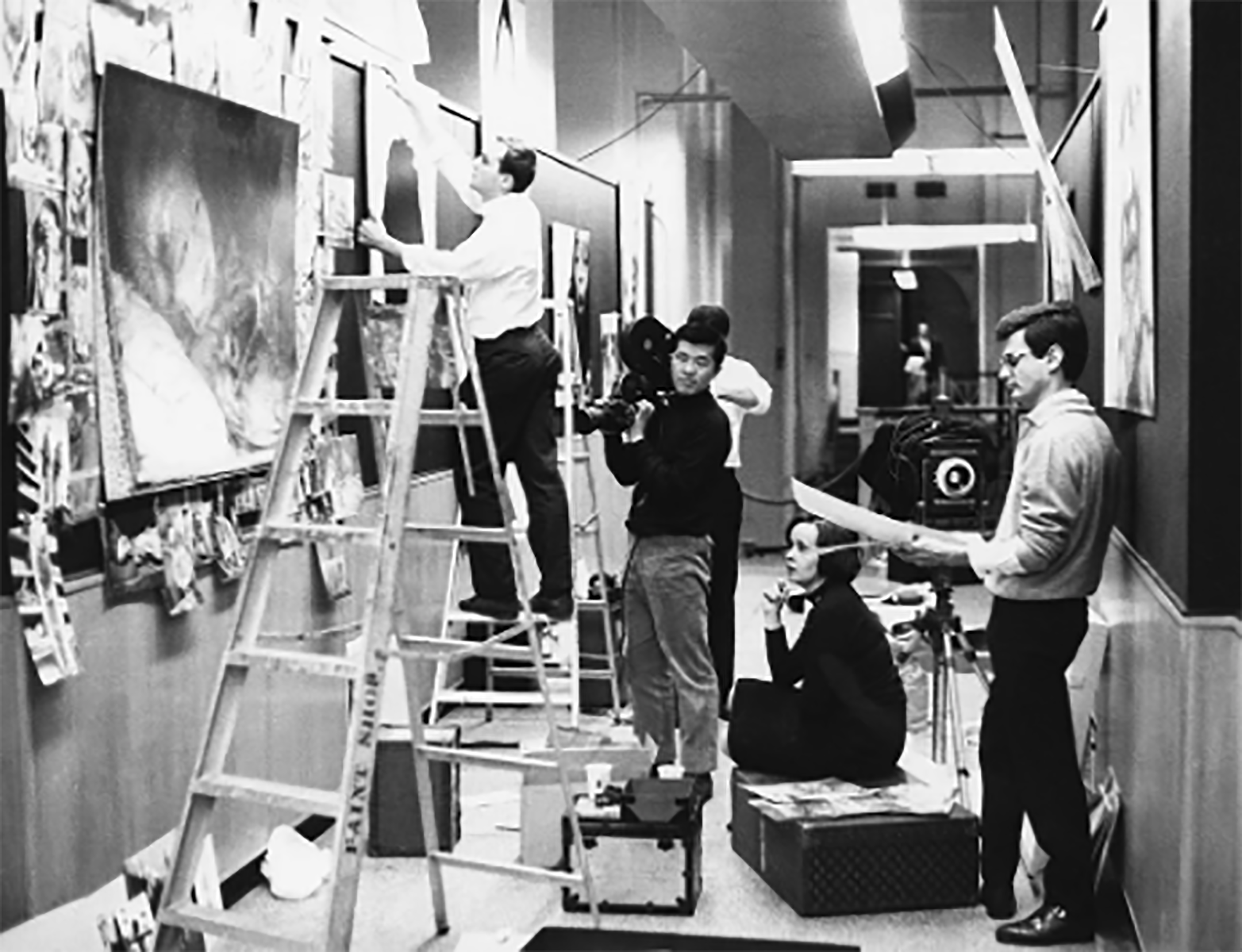
The first exhibition I saw that threw out this conservative rule book was the Richard Avedon exhibition at the National Portrait Gallery, London in 1994. He explored every kind of moulding and printing to create a vibrant and exciting presentation that those who attended still talk about today. My take away was that framing a print should not be defined by convention, but by the work and the intention of the work. When you start thinking this way all options are open for exploration.
In a digital world the framed print has become a rarity. That is a great shame. As we all know any format we use to store a digital file can break, become obselete or malfunction. The physical artefact suffers none of these issues. In that sense your initial investment not only looks after and displays your work it also does not require any further spend. No software update or hardware purchase. Therefore this simple guide ends with some simple advice. Spend as much as you can afford and speak with an expert. Time will show that this is the best way of framing your photography.
Dr.Grant Scott
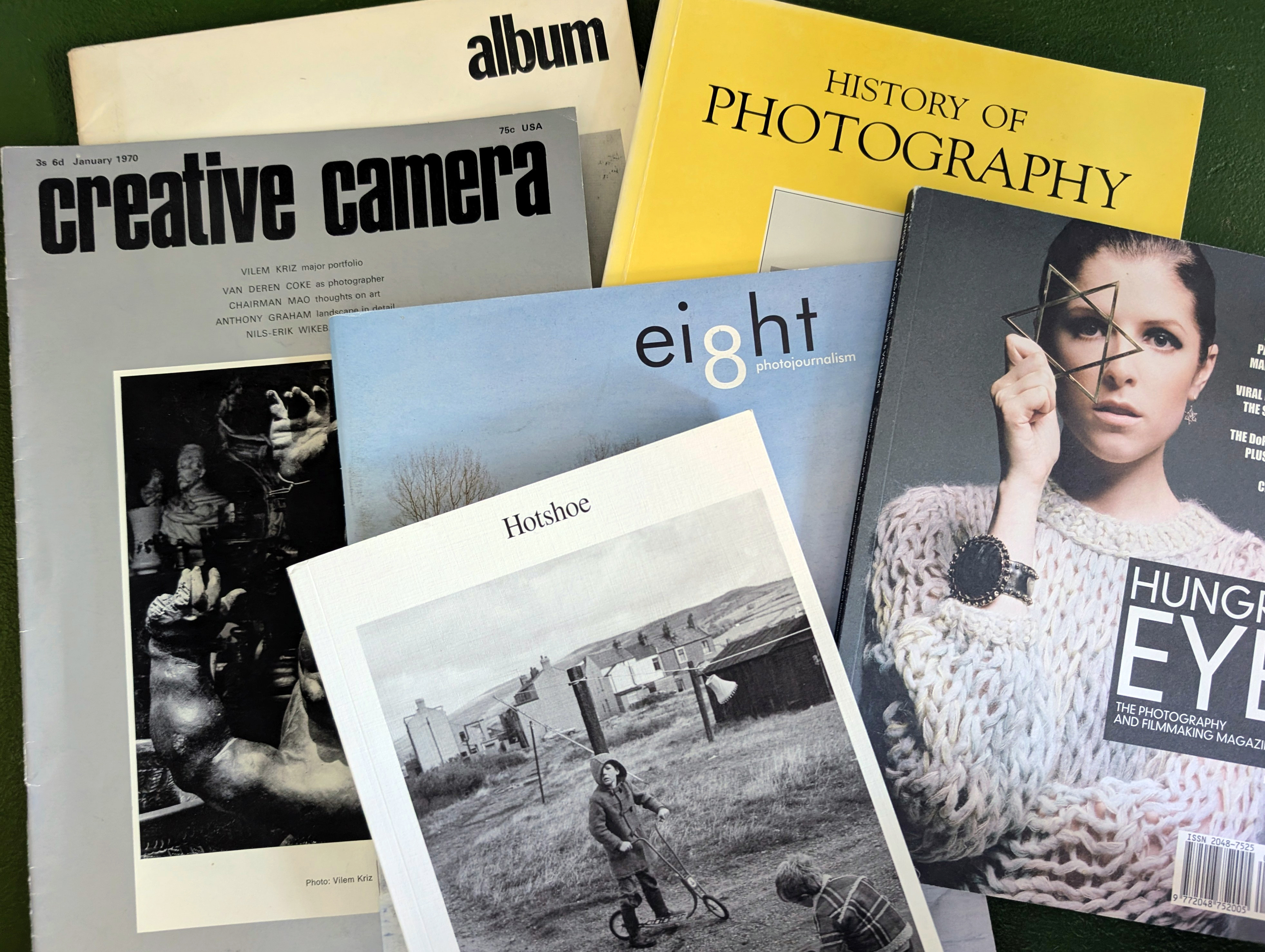
After fifteen years art directing photography books and magazines such as Elle and Tatler, Scott began to work as a photographer for a number of advertising and editorial clients in 2000. Alongside his photographic career Scott has art directed numerous advertising campaigns, worked as a creative director at Sotheby’s, art directed foto8 magazine, founded his own photographic gallery, edited Professional Photographer magazine and launched his own title for photographers and filmmakers Hungry Eye. He founded the United Nations of Photography in 2012, and is now a Senior Lecturer and Subject Co-ordinator: Photography at Oxford Brookes University, Oxford, and a BBC Radio contributor. Scott is the author of Professional Photography: The New Global Landscape Explained (Routledge 2014), The Essential Student Guide to Professional Photography (Routledge 2015), New Ways of Seeing: The Democratic Language of Photography (Routledge 2019), What Does Photography Mean To You? (Bluecoat Press 2020) and Inside Vogue House: One building, seven magazines, sixty years of stories, (Orphans Publishing 2024). His photography has been published in At Home With The Makers of Style (Thames & Hudson 2006) and Crash Happy: A Night at The Bangers (Cafe Royal Books 2012). His film Do Not Bend: The Photographic Life of Bill Jay was premiered in 2018.
© Grant Scott 2026
Image: The Smithsonian Institute Washington DC, 1962, Richard Avedon
Leave a Reply