
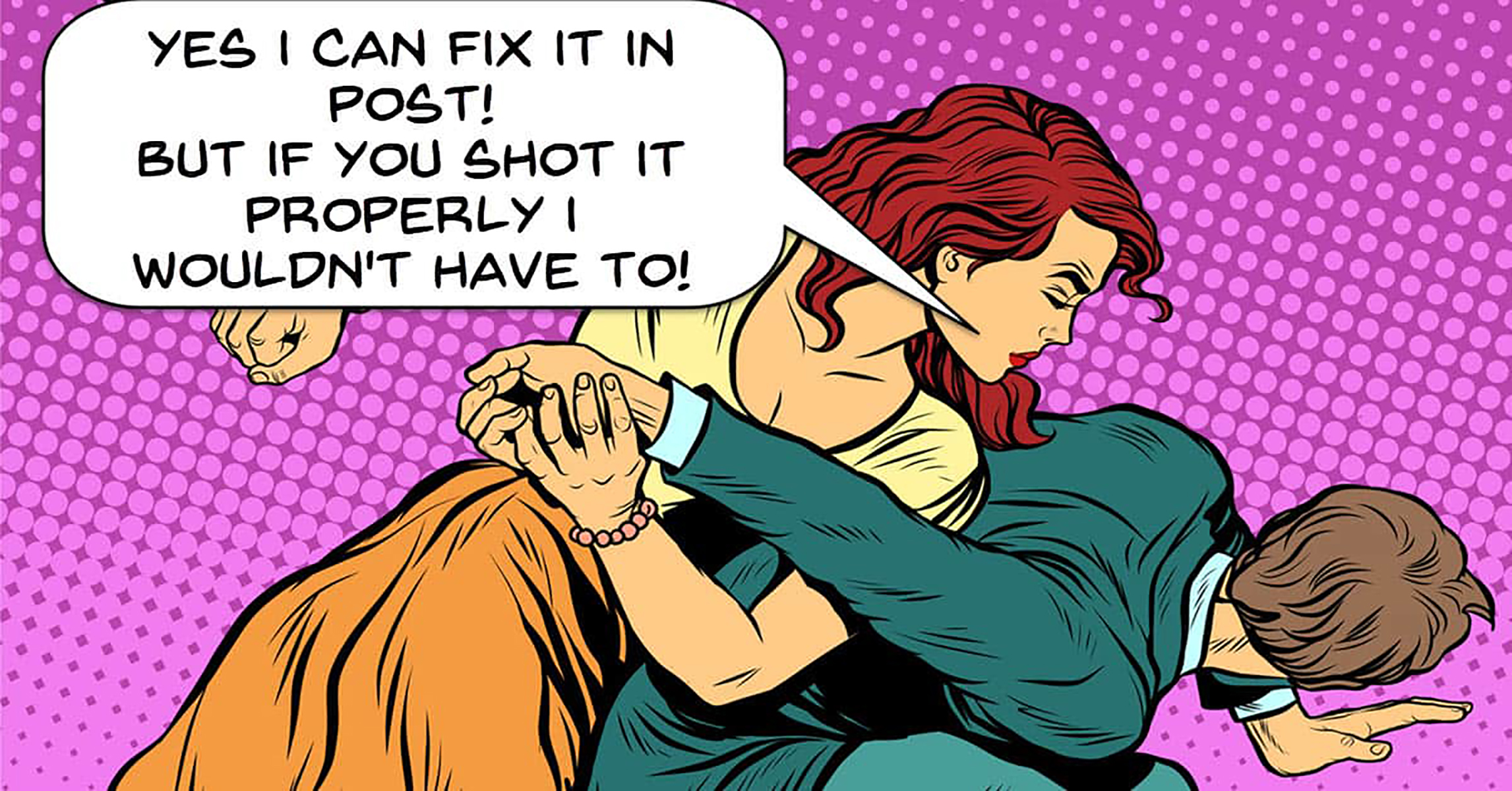
I often see photographers moaning about how many images they have to edit (the process of choosing successful frames). They talk of days and nights ‘culling’ and calling out for a digital workflow solution to reduce their pain. I am often tempted to give them the 100% guaranteed solution to their issue. Shoot less. Of course that is not what they want to hear so I bite my lip and remain silent.
However, my advice is not a flip response, it is based on common sense and experience. The issue these photographers are facing is of course based on two factors, the ease of shooting too much on a digital camera and the insecurity of not getting ‘the picture’. Analogue always had a cost implication in how many images you made and of course digital does not and yet digital allows you to the see the images as you go along. Therefore digital should allow you to be more confident on how you are doing. But that does not seem to be the case for the complainers. Back in the days of analogue we didn’t know if we had got ‘the picture’ until we had developed the film we had to be confident in our skills and abilities. Today with digital that is not always the case.
The ability to press the shutter continuosly has removed the need for photographic confidence. And that is a problem. Because such an approach puts all of the importance of the photograph on the edit and potentially post-production to solve technical and compositional issues. This changes the role of the photographer and requires new skill-sets. The skills mastered by photo editors and art directors. And here is another problem, most of these rapid fire photographers have not only failed to hone their photography skills they have also spent little time understanding how to edit. Then they complain how many images they have to look at and yet they have created the very thing that they are complaining about. Weird!
I have always shot enough to make sure I have got the job done whether that be on analogue or through digital capture. I keep my shooting tight so that I don’t have to spend hours editing (time is money so why should I waste either?). I send my clients a concise edit of only the most successful images (maybe 4-5 of any portrait) as JPEGS. They order what they want and I submit TIFFS. The RAWS remain with me. This is a professional approach to working with clients. I get the light and composition right in camera so that I don’t need to ‘fix-it-in-post’ (more time wasted). It’s not difficult to understand why this is the best way to work. It’s professional and efficient.
Let me give you an example. When I was commissioned in 2006 to make the book At Home With The Makers of Style for Thames and Hudson I was given a budget that had to cover my travel and accomodation to New York, San Francisco, Madrid, Frankfurt, Sao Paolo, Paris, Milan and various locations around the UK. Whatever was left would have to cover the film and processiong to cover a series of portraits and interior images of the subjects homes. That resulted in three rolls of 120 film (36 frames) and one pack of polaroid for each location and portrait. This was the last project I shot on analogue but I have continued to work the same way with digital. Minimum fuss, maximum accuracy.
As a former art director I love editing photographs and yet I still see no reason to spend my life stuck to a screen reveiwing multiple images that all have nothing more than a fraction of a second between them. So, my advice to those over-shooting editing complainers? If you don’t enjoy what your doing don’t do it. Develop some photo confidence and shoot less. That is just professional.
*If you enjoyed this article you might also enjoy these:
https://unitednationsofphotography.com/2023/01/07/how-to-edit-your-photographs-the-simple-5-step-way/
https://unitednationsofphotography.com/2014/11/11/editing-is-rejection-understanding-the-editing-process/
https://unitednationsofphotography.com/2025/11/20/editing-photographs-is-easy-heres-how-and-why/
Dr.Grant Scott
After fifteen years art directing photography books and magazines such as Elle and Tatler, Scott began to work as a photographer for a number of advertising and editorial clients in 2000. Alongside his photographic career Scott has art directed numerous advertising campaigns, worked as a creative director at Sotheby’s, art directed foto8 magazine, founded his own photographic gallery, edited Professional Photographer magazine and launched his own title for photographers and filmmakers Hungry Eye. He founded the United Nations of Photography in 2012, and is now a Senior Lecturer and Subject Co-ordinator: Photography (undergraduate and postgraduate) at Oxford Brookes University, Oxford, and a BBC Radio contributor. Scott is the author of Professional Photography: The New Global Landscape Explained (Routledge 2014), The Essential Student Guide to Professional Photography (Routledge 2015), New Ways of Seeing: The Democratic Language of Photography (Routledge 2019), and What Does Photography Mean To You? (Bluecoat Press 2020). His photography has been published in At Home With The Makers of Style (Thames & Hudson 2006) and Crash Happy: A Night at The Bangers (Cafe Royal Books 2012). His film Do Not Bend: The Photographic Life of Bill Jay was premiered in 2018.
Scott’s book Inside Vogue House: One building, seven magazines, sixty years of stories, Orphans Publishing, is on sale now wherever you buy your books.
© Grant Scott 2025



Leave a Reply