
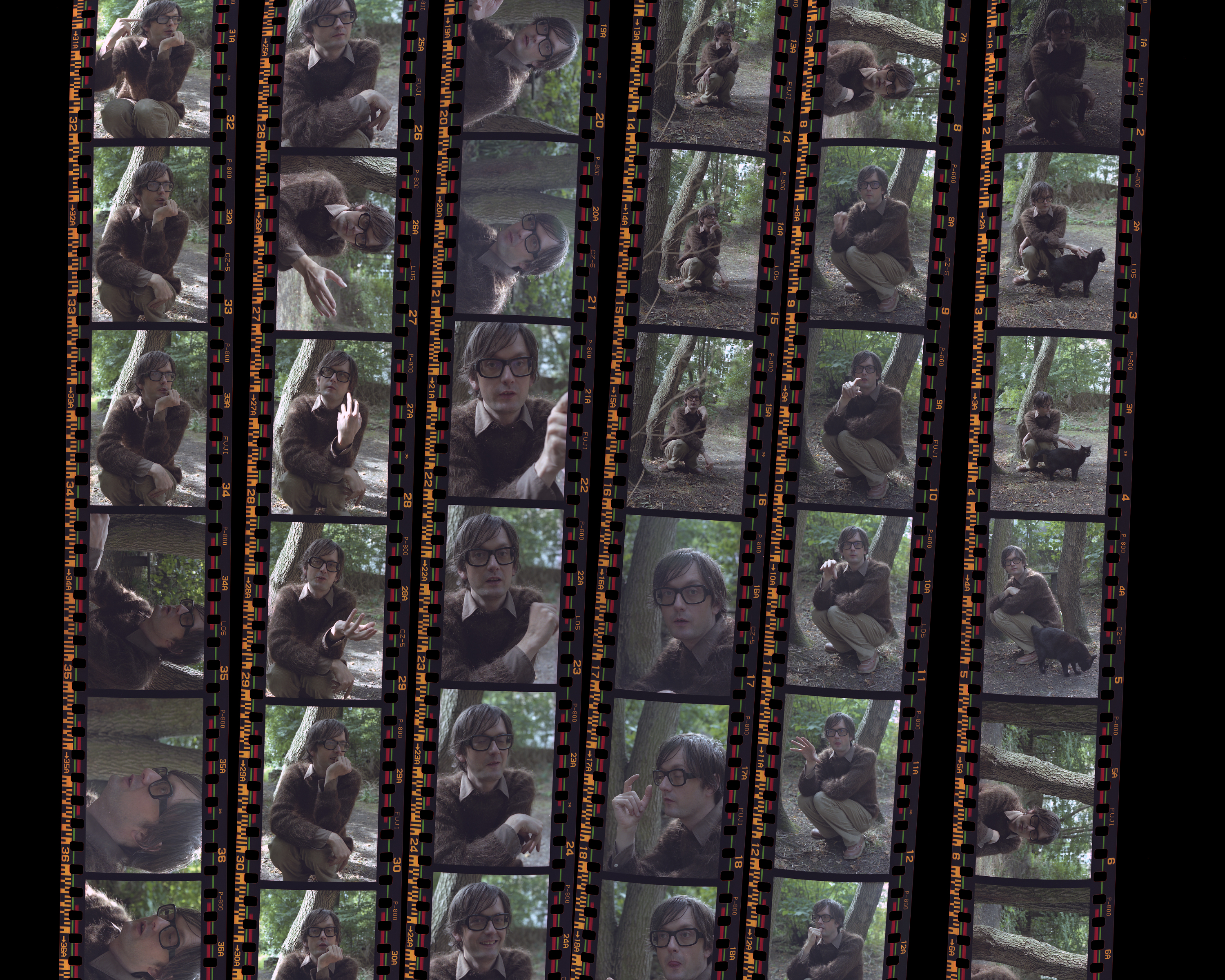
If you clicked on this post because you want to learn how to use Photoshop you are in the wrong place. This is editing in its true sense, the art of choosing images. Something you may find more beneficial to learn than any post-production manipulation because if you don’t know how to choose the most successful image what’s the point of spending anytime on it?
To begin with I’d like to suggest this equation. By reading we understand people, we can then understand ourselves and communicate with people. Editing photography is similar. If we understand our story, we can understand our photography and choose the most successful images to tell our story. The issue is of course understanding the story we want to tell. And that is where so many photographers fall down. Without intention it is impossible to reach a conclusion.
The art of editing is based on objective decision making. If the photographer’s thinking is purely subjective it can too easily fall into a world of personal likes without a basis in reason. That is when anxiety takes hold. Indecision becomes the dominant factor and poor editing decisions can be made. A successful edit cannot be made on the basis of likes or emotional attachment to an image or collection of images. It has to be based upon an understanding of how an image performs in achieving an outcome. An outcome above and beyond the pretty picture or base material for manipulation. That outcome can only be decided upon by the photographer. It should never be made to please others, gain likes or conform to the aesthetic rules of others.
This is why editing should be easy. It’s the photographer’s choice, no one else’s. There need be no indecision if the photographer is decisive and the confidence for this to happen is available to all. That confidence comes from an investment in research in photography, context and outcomes. Whenever I hear someone explaining that they struggle with editing their work I know that they are not looking at enough photography (both good and bad) reflecting upon it and analysing its strengths and weaknesses. Then applying that knowledge to their own practice.
Learning to edit your work takes time. There is no quick fix, but it can and should be an enjoyable experience not a chore. It is a process that should begin when you press the shutter not just when you see your images on your computer screen, but that’s something I’ll discuss in another article. Suffice to say that if you are not enjoying the editing process you do not understand why you are making photographs or that you are making too many.
*If you enjoyed this article you might also enjoy these:
https://unitednationsofphotography.com/2023/01/07/how-to-edit-your-photographs-the-simple-5-step-way/
https://unitednationsofphotography.com/2014/11/11/editing-is-rejection-understanding-the-editing-process/
Image: Jarvis Cocker © Grant Scott
Dr.Grant Scott
After fifteen years art directing photography books and magazines such as Elle and Tatler, Scott began to work as a photographer for a number of advertising and editorial clients in 2000. Alongside his photographic career Scott has art directed numerous advertising campaigns, worked as a creative director at Sotheby’s, art directed foto8 magazine, founded his own photographic gallery, edited Professional Photographer magazine and launched his own title for photographers and filmmakers Hungry Eye. He founded the United Nations of Photography in 2012, and is now a Senior Lecturer and Subject Co-ordinator: Photography (undergraduate and postgraduate) at Oxford Brookes University, Oxford, and a BBC Radio contributor. Scott is the author of Professional Photography: The New Global Landscape Explained (Routledge 2014), The Essential Student Guide to Professional Photography (Routledge 2015), New Ways of Seeing: The Democratic Language of Photography (Routledge 2019), and What Does Photography Mean To You? (Bluecoat Press 2020). His photography has been published in At Home With The Makers of Style (Thames & Hudson 2006) and Crash Happy: A Night at The Bangers (Cafe Royal Books 2012). His film Do Not Bend: The Photographic Life of Bill Jay was premiered in 2018.
Scott’s book Inside Vogue House: One building, seven magazines, sixty years of stories, Orphans Publishing, is on sale now wherever you buy your books.
© Grant Scott 2025
Leave a Reply