
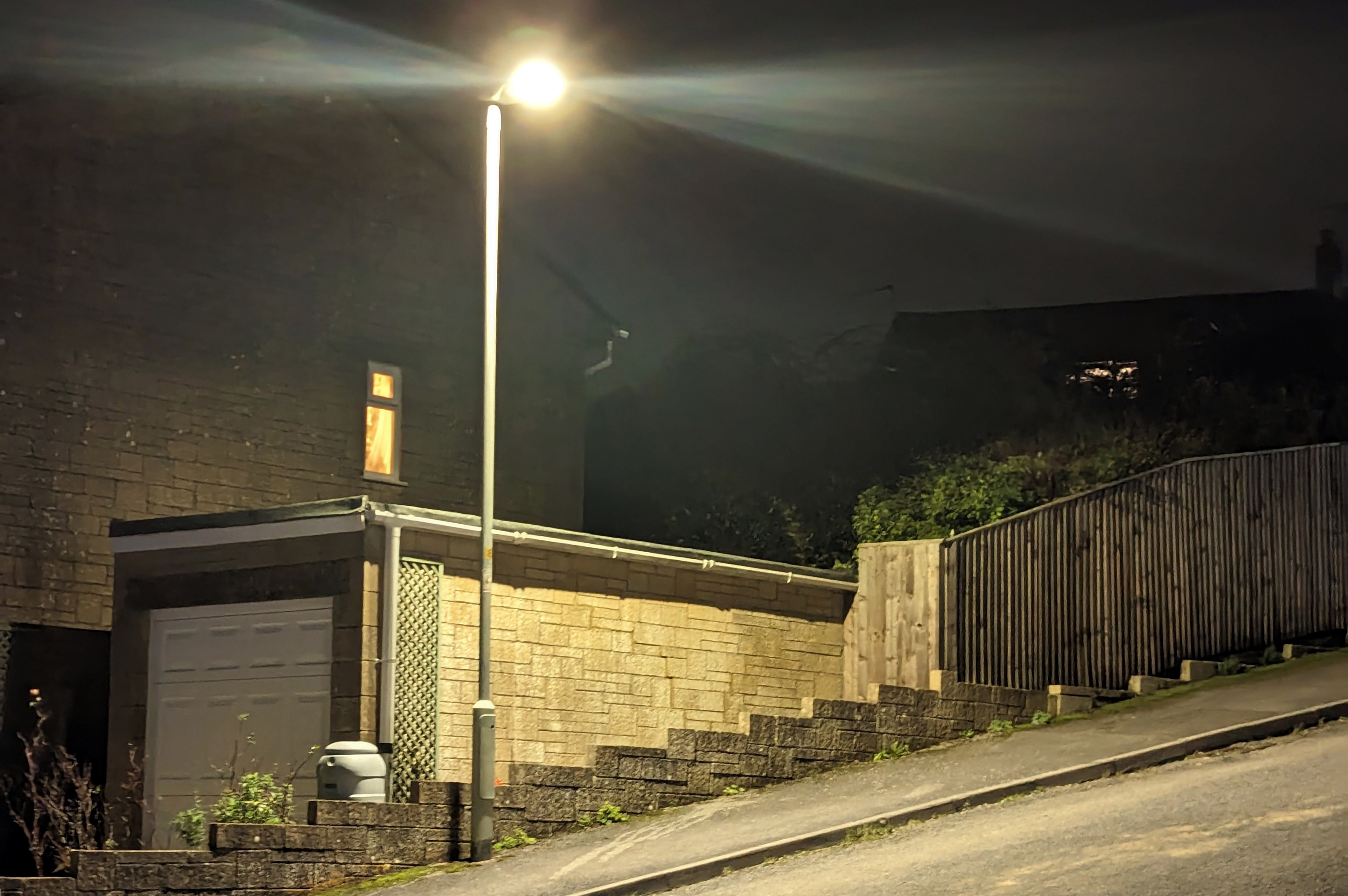
I’ll start this by being honest in admitting that I have no interest in nature. I grew up in South London and the urban environment is my happy place. I don’t get the appeal of long hikes across fields, up hills and down dales. However, I recognise that many photographers get excited by such endeavours. So excited in fact that they become the foundation of their photography.
Others, turn to the drama of the street. Urban environments feed their need for subject matter. Coffee shops, cars, street furniture and pedestrians combine to create unexpected everyday tableaus.
Some even seek out the bleak, urban landscapes of decay and economic decline. Focusing upon compositions based on observations of what once was and the generic industrial estate planning of the past thirty years.
I hear a lot of photographers these days talk about walking. Photo walks seem to be a popular thing. There are even podcasts devoted to the subject. I even see photographers exclaiming that all you need to do to work out what to photograph is go for a walk! But the photo walk can take many directions physically, spiritually and intellectually. It is not as simple as just stepping outside your front door.
Like any journey it’s useful to have some idea of a route or destination before you start. This can come in the shape of a photographer’s influence gained through a book or exhibition. But it can also come from the personal interests of the photographer. These are usually connected. Either way, you need to have some sense of intention in my opinion other than just making photographs. Otherwise how can you bring some form of sense to the images you make other than personal satisfaction. You don’t need to set off with a sense of narrative but you do need to be able to assess your work after it has been made and identify themes that may present narratives for further exploration.
I think this is why you can ascertain the passions of the photographer on the basis of where they walk. The photographs are the physical proof of the intention to walk but also of where the walk has taken place.
The difficulty is in finding places to walk that present opportunities to make work that has a reason to exist with a sense of originality. In my opinion photography should never be about making images that look like the work of other photographers (although that may occur accidentally) but photographs that are true to you. I see a lot of street photographers making work that looks generic and boring just as I see the same from many rural landscape photographers. Travelling the same road can often present repetitive creative options.
This presents the photographer with a creative challenge in interpretation and outcome whether or not the whiff of fresh country air or urban pollution fills your nostrils. I believe that this is the true challenge of all walk based photography. To do something different, previously unseen and challenge the viewer’s perceptions of a genre of work. To avoid cliche and repetition. To create a new path. Now where are my boots...
IMAGE: © Grant Scott 2024
Dr.Grant Scott
After fifteen years art directing photography books and magazines such as Elle and Tatler, Scott began to work as a photographer for a number of advertising and editorial clients in 2000. Alongside his photographic career Scott has art directed numerous advertising campaigns, worked as a creative director at Sotheby’s, art directed foto8magazine, founded his own photographic gallery, edited Professional Photographer magazine and launched his own title for photographers and filmmakers Hungry Eye. He founded the United Nations of Photography in 2012, and is now a Senior Lecturer and Subject Co-ordinator: Photography at Oxford Brookes University, Oxford, and a BBC Radio contributor. Scott is the author of Professional Photography: The New Global Landscape Explained (Routledge 2014), The Essential Student Guide to Professional Photography (Routledge 2015), New Ways of Seeing: The Democratic Language of Photography (Routledge 2019), and What Does Photography Mean To You? (Bluecoat Press 2020). His photography has been published in At Home With The Makers of Style (Thames & Hudson 2006) and Crash Happy: A Night at The Bangers (Cafe Royal Books 2012). His film Do Not Bend: The Photographic Life of Bill Jay was premiered in 2018.
Scott’s next book Inside Vogue House: One building, seven magazines, sixty years of stories, Orphans Publishing, is now on pre-sale.
© Grant Scott 2024





Leave a Reply to Paul VotavaCancel reply