
A recent conversation amongst photographers on a Facebook group, confirmed what I have believed for sometime, that analogue photography is no longer financially viable. Analogue is back in fashion and so is vinyl. Where once both were the only option, today both are a choice made to adopt a nostalgic practice based upon perceived quality of experience. The issue is of course that warped, scratched, static filled vinyl played on cheap record players with blunt needles is a a very unpleasant experience, and an investment in heavyweight vinyl and good quality turntables, amplifiers and speakers is required to achieve the desired effect. The same is true of analogue photography.
Analogue photography is not cheap. Over the last decade we have seen trends in using cheap plastic cameras with plastic lenses, analogue compacts, Polaroids, forgotten rangefinders and classic SLRs bought cheaply online through auction sites. The cameras may have been cheap in the past but the film, processing and cameras have become increasingly expensive.
In a pre-digital age the idea of dropping off a colour film to be processed at a local chemist in return for a packet of 6 x 4 prints was a reasonably affordable option. If you wanted to use black and white film you would probably use a local darkroom or process, contact and print the film yourself. There was no shortage of darkrooms, community based and professional, and therefore competitive pricing was to the photographer’s benefit. The back pages of photography magazines were filled with advertisements for chemicals, papers and enlargers and reviews and technical articles on how to improve your printing and processing with the latest equipment.
Photographers were trained in analogue photography resulting in an economy of film use and printing wastage that ensured that costs were kept to the minimum.
Those coming into analogue today rarely have the depth of training of those analogue photographers of the past, therefore today’s learning can come with expensive mistakes and failures attached. The ‘hit’ rate can be a lot lower without a small screen to see if you have captured the image you want, both technically and aesthetically. But how expensive?
I did some research and these are my findings.
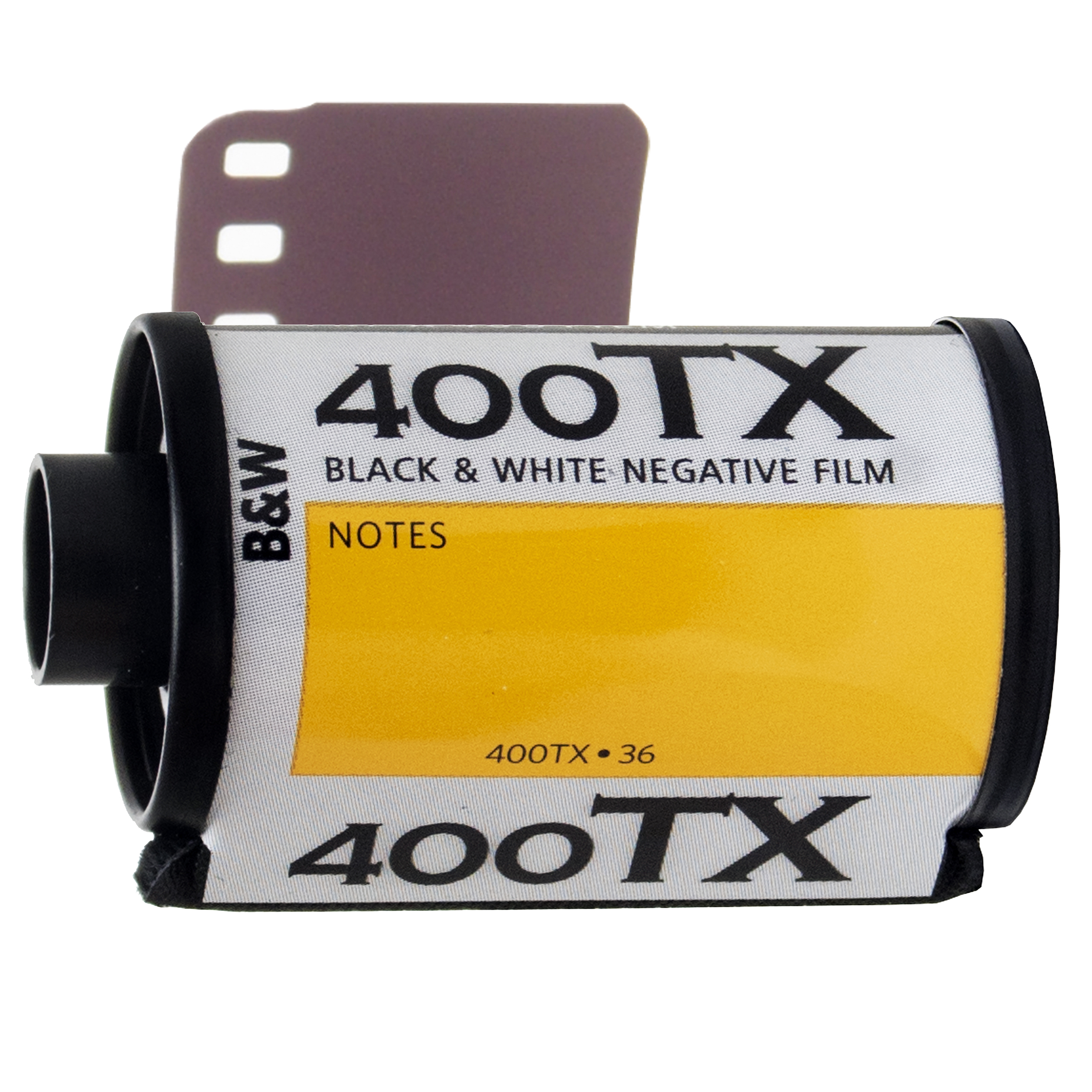
A box of 24 exposure Kodak T-X is going to cost you approximately £8.50 online, to develop that film I found a darkroom locally that charges £5.55 per roll. You can add £15.00 per roll at the same lab for contacts. They will charge you £36.50 for twenty four scans as 87Mb JPEGS. Then you can decide how you want to make your prints, digitally from the scans or avoid the scans and traditional in the darkroom. Of course you do not have to have your negs scanned, but if you don’t your options on how to share those images will be limited.
The reality is that you will need to invest approximately £65.55 on every roll you shoot, if you are not going to set up your own darkroom. If you want to shoot 120 roll film you can expect to pay more. That’s a lot of outlay for some fun with a camera that you are not experienced working with.*
You could, of course set up your own darkroom, try to find an enlarger for sale, dedicate a room in your house or garden with connected water and electricity that has no light leaks, with room for trays and a drying area. You could buy your own chemicals and paper and dedicate yourself to training in the red-light lit alchemy of the photographic printer. I did some research on the costs of this, which is a little like working out the length of a piece of string, but let’s put in a ballpark starting figure of £1,000 including chemicals and some basic tools. This price could be considerably higher depending on how much you pay for your enlarger.
The question you have to ask yourself is; what is most important to you, process or artefact?
If the artefact is dependent on the process in your practice then of course you will be willing to invest in that process, and I know of many analogue photographers working within contemporary art practice for whom this is the case. This is appropriate for the professional photographer with funds to support their work just as the serious audiophile invests in their vinyl addiction. However, for those just beginning an engagement with photography, serious questions have to be asked concerning financial outlay versus photographic expectation.
Experimentation is essential in the development of a personal visual language and digital capture allows and encourages that process with no strings attached. Analogue does not.
I am in no way anti-analogue photography, but I am a realist in a digital world. I worked as an analogue photographer for six years at the beginning of this century, with my clients meeting my film, Polaroid, processing, contacting and print costs. I work for the same clients today and they would not meet those costs now, as it makes no financial sense for them to do so. Analogue photography does not make sense for the commissioned photographer, or the financially challenged amateur/student/hobbyist.
The cost of analogue photography is high. The results can be beautiful, but so can those that result from a digital camera. Analogue is a process, just like digital and a process that will not make you’re photography any better based on nostalgia. It will give you an aesthetic and way of working that you may enjoy, but that will be based on hard work and understanding of the medium. Without that it is an expensive process that may lead to frustration and resentment every time you have to use your debit or credit card to fund you’re image-making.
*The prices quoted in this article are taken directly from the price list of my local darkroom, which is situated in a county town, not within a major city. You may be able to find cheaper prices but the argument remains that whatever you pay, the cost of a single analogue image will always be more than that of a digital file.
Grant Scott is the founder/curator of United Nations of Photography, a Senior Lecturer and Subject Co-ordinator: Photography at Oxford Brookes University, Oxford, a working photographer, documentary filmmaker, BBC Radio contributor and the author of Professional Photography: The New Global Landscape Explained (Routledge 2014), The Essential Student Guide to Professional Photography (Routledge 2015), New Ways of Seeing: The Democratic Language of Photography (Routledge 2019).
Grant’s book What Does Photography Mean to You? including 89 photographers who have contributed to the A Photographic Life podcast is on sale now £9.99 https://bluecoatpress.co.uk/product/what-does-photography-mean-to-you/
© Grant Scott 2021


Leave a Reply to Richard AltonCancel reply