
Every year I work with third year photography university students in developing solid foundations for a career. They will have spent the previous three years studying photography, but I never believe that they will be photographers. Some will and some have gone on to be very successful with the medium, but the majority will not and I consider that to be a success, never a failure for me or them. The reason for this is that I wrote the courses I lead at Oxford Brookes University on the basis of teaching photography as a visual language. A visual language with multiple touch points, within and without the creative industries. One that understands the importance of soft and transferable skills. Not just the hard skills of photographic capture.
As part of my teaching I spend time looking at job advertisements online. I need to if I want to remain informed concerning how employers view photography and what they are looking for from applicants. We all know that professional photography is primarily a freelance occupation, but the requirements such a practice needs are tough to aquire and maintain. They can be hard on anyone’s mental wellbeing and therefore it is only reasonable that some students will wish to maintain their engagement with photography with the security of a pay check at the end of the month. This is the basis of teaching photography as a visual language. To retain interest in photography, whilst accepting that its role in our society has changed.
You could do the same as me and research how photography is being seen by those who are looking to employ those with photographic skills. The easiest way to do this that I have found is to use Linkedin. Now, I am no fan of the platform, however its algorithm does seem to be particularly effective at finding available positions based on the skills that you feed it.
You could start by defining a geographic area you wish to focus on and by putting the word ‘photographer’ into the search panel. In my experience the results you will receive will be few and dispiriting. Low paying estate agent photography, potentially some night club work and possibly working for a high street portrait franchise company. You can widen your search zone, but the type of work available will rarely change. The best I have found have been studio based still-life and fashion work for brands paid on an hourly basis, with unrealistic skill-based expectations for the offered rate. Sadly, I think that this is a true reflection of how many brands and companies view photographers in 2026. However, it has been this way for quite some time. This should not come as a surprise.
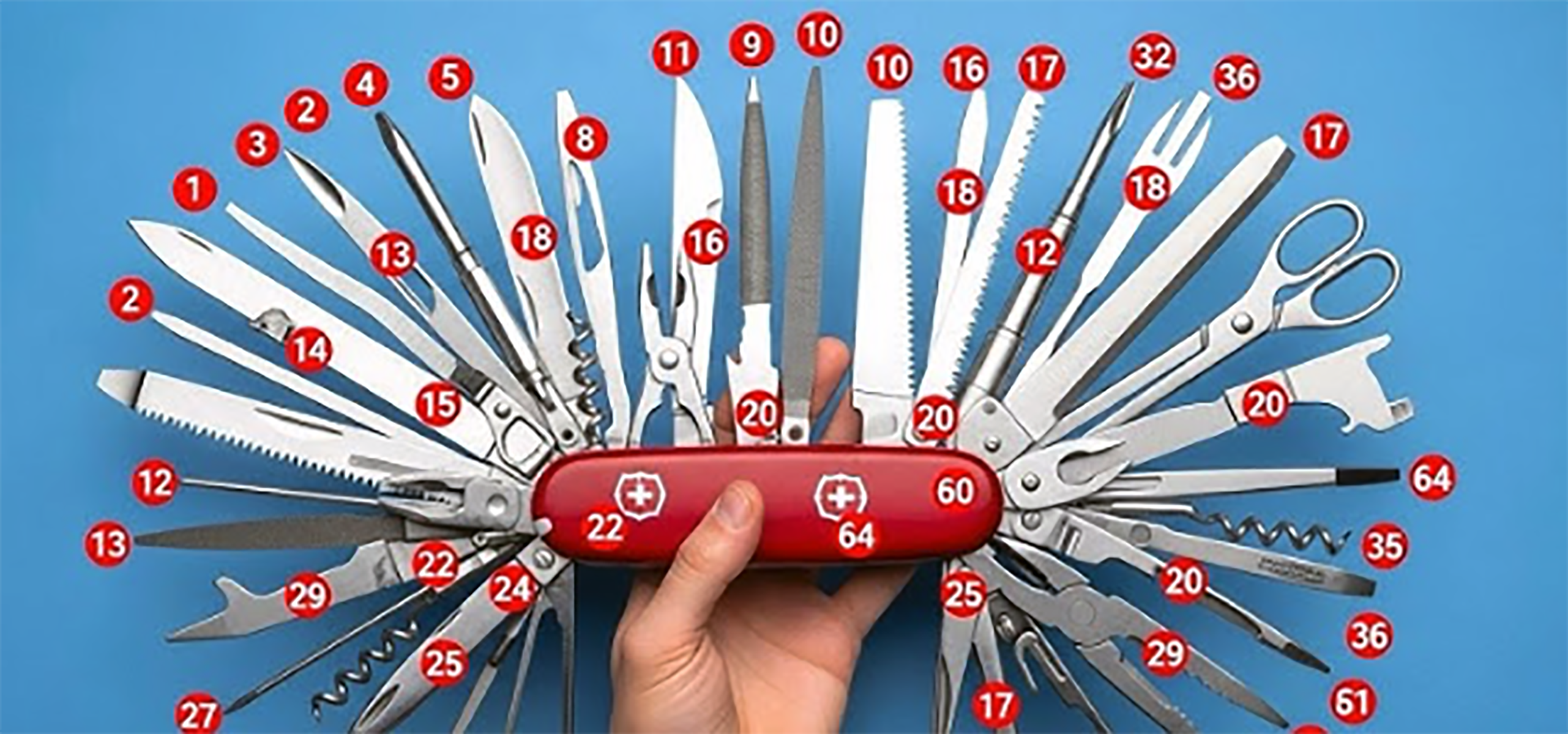
So, let’s change the search description and use the word ‘photography’. Now things become much more revealing and possibly, for some, more positive. What you will see is an eclectic plethora of job titles that you will have never believed would be connected with photography. Here are just some that came up for me. Content Producer and Social Media Executive, Engagement and Events Coordinator, Remote Data/Photo Contributor, Content and Creative Lead, News and Media Manager, Media and Lifestyle Marketing, Marketing Manager, and Brand Specialist. Now, I am not saying that you want to do these jobs, or that you are qualified for them, but you can see how the options open up if we see photography as part of a broader skill set. All of these roles required an understanding of basic photographic and moving image software, they all mentioned the importance of storytelling, some asked for examples of the applicants photography and others for examples of creativity. The foundational skills of a photographer are in demand. They also require skills that the pure photographer may not currently have or recognise they have. These are now essential for employment.
This is the point of this article. Photography if seen within the context of the lives we lead has never been more important, relevant and in demand. However, there is a catch. It is not ‘just’ photography, it requires ‘bolt-ons’ and this is an issue for the pure photographer. Of course, I understand the desire to work as a photographer and that is still a possibility for some, but not for all. This may be a bitter pill to swallow, but it has to be taken. There is work for those who want to be engaged with the medium, if you are willing to explore that possibility through a process of open-minded self- reflection and honesty. But, to believe that the world needs as many photographers as those who want to be paid for their photography is to be blindly naive, if not willingly arrogant. Worth considering if you want to be involved with photography as a profession or career. You have options.
Dr.Grant Scott
After fifteen years art directing photography books and magazines such as Elle and Tatler, Scott began to work as a photographer for a number of advertising and editorial clients in 2000. Alongside his photographic career Scott has art directed numerous advertising campaigns, worked as a creative director at Sotheby’s, art directed foto8 magazine, founded his own photographic gallery, edited Professional Photographer magazine and launched his own title for photographers and filmmakers Hungry Eye. He founded the United Nations of Photography in 2012, and is now a Senior Lecturer and Subject Co-ordinator: Photography at Oxford Brookes University, Oxford, and a BBC Radio contributor. Scott is the author of Professional Photography: The New Global Landscape Explained (Routledge 2014), The Essential Student Guide to Professional Photography (Routledge 2015), New Ways of Seeing: The Democratic Language of Photography (Routledge 2019), What Does Photography Mean To You? (Bluecoat Press 2020) and Inside Vogue House: One building, seven magazines, sixty years of stories, (Orphans Publishing 2024). His photography has been published in At Home With The Makers of Style (Thames & Hudson 2006) and Crash Happy: A Night at The Bangers (Cafe Royal Books 2012). His film Do Not Bend: The Photographic Life of Bill Jay was premiered in 2018.
© Grant Scott 2026



Leave a Reply