
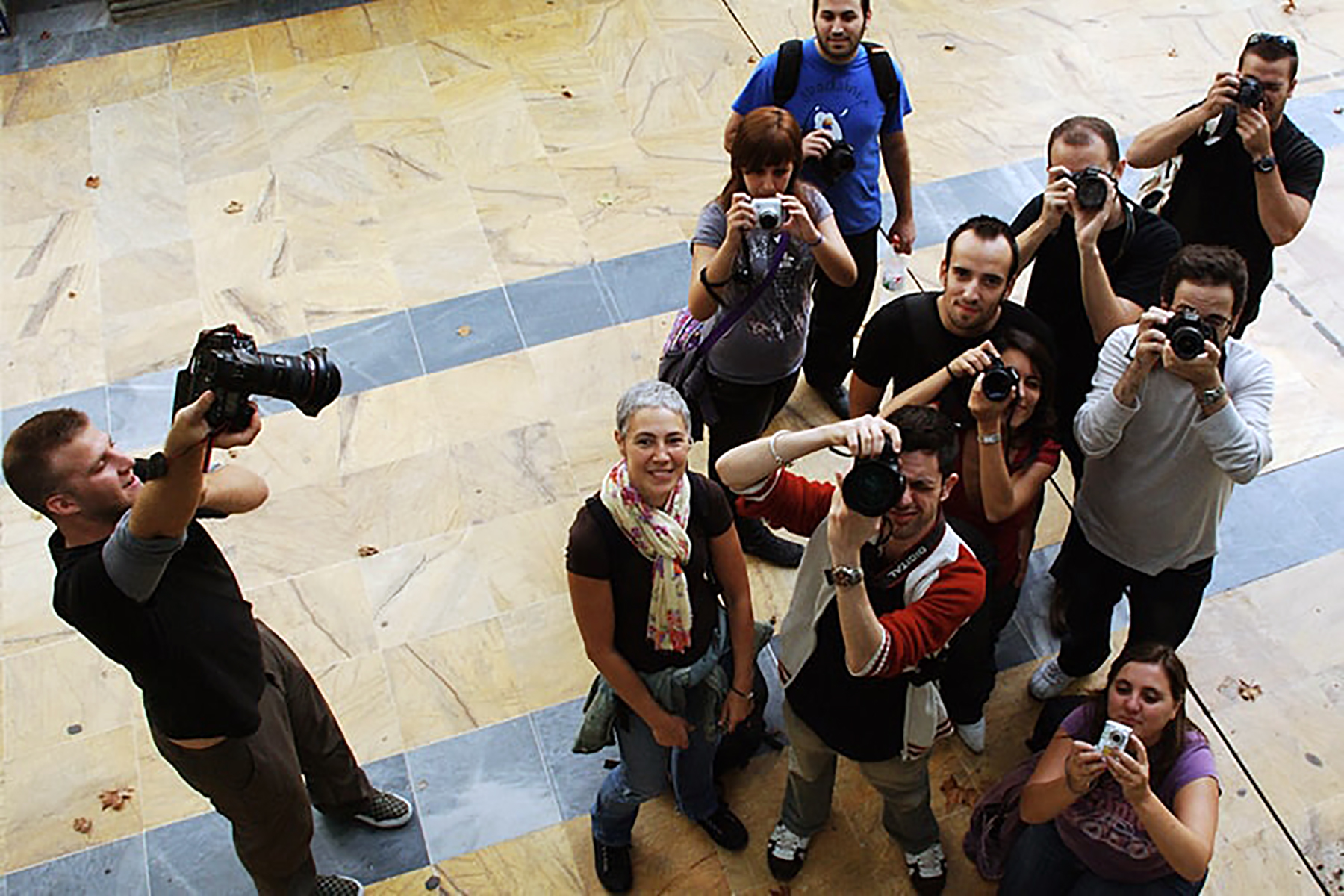
Photography can be used however you want it to be. The person who buys the camera decides the subject, the process and the outcome. I think we can agree on that. I was introduced to photography by my father who used a camera to make photographs of our family, which he had printed at the local camera shop and then he put them into albums, as many people once did. The photographs he made were created within a safe environment of the people he knew with no desire to show them to anyone other than the people in them. We had a family friend in the 1970s who went to a camera club where he made photographs of ‘scantily clad’ women, which he showed me as he knew I was interested in ‘art’. I neither saw the images as art or a healthy approach to women or photography even as a young teenager. However, he made photographs to show to his fellow club members. When I began to take photography more seriously I saw it as a career in which I could get to meet musicians and hopefully see my photographs on album covers which I also designed. I made photographs to show to professional clients. Three very different approaches to the medium from the past. Three very different audiences and instigations.
Today, I am starting to see how these reflections inform me on how people seem to be approaching photography now that it is available to us in ways it has never been before. My father was making photographs as part of a community of family, the ‘slightly creepy’ family friend was making photographs in a community of like-minded men away from their wives and partners, and I was making photographs based on the idea of collaboration within a professional community. The reason I say ‘today’ is because I am beginning to see two very distinct approaches to photography amongst people more like the family friend, than myself or my father. Not in their ‘creepiness’ but in wanting to use photography to escape and to meet.
These two approaches, take two forms. One is landscape photography in isolated places and the second is the street photo walk in crowded places. Let’s deal with the landscape photography option first. We are surrounded by landscapes, we just have to look out of a window, down a road or straight in front of us to see a landscape. Landscape filled with photographic possibilities. We do not need to travel to see a landscape, and yet travel is the foundation of the majority of enthusiast and professional landscape photography. As is being alone. An approach that makes me think that the travel may be more important to some than the photography. Such travel is inevitably solo in nature to places where the hand of man is invisible or at best limited. No houses, buildings, roads or people. Mountains, waterfalls, lakes and wooden jetties seem to be popular, as do dramatic skies and extreme weather conditions. Images are created invariably in black and white to confer a feeling of serious photography and heavily ‘improved’ through various post-production processs implemented over many hours of singular concentration. This is photography for those who want to escape, who want to be alone. When making photographs and manipulating photographs. A process that is only revealed to other like minded souls at a point of believed photographic perfection at a camera club competition or through an enthusiast online forum or platform. This is when they come together to show their work to others like them.
I know that such online communities can be both supportive and destructive. I have seen and heard this, however they are the place where the singular activity becomes a group discussion. Not neccasarily amongst friends, but with a much wider and potentially opininated audience. The ability to share work today and receive such a broad perspective of opinions is a strange outcome for the introspective photographer. The photo camera walk seems to work in an opposite way. The coming together occurs before an image has been made.
The need for community seems strong amongst those who choose this approach to photography and I have a theory why. When you are out in the wilderness there is no one to judge you or challenge you. You are alone with your camera and the landscape with no danger of physical confrontation. This is not the case in an urban environment where a pack mentality can be useful to give confidence. Perhaps this is part of the attraction of the urban photo walk. I don’t know. I have to be honest I personally can see no photographic reason to go out to make images alongside others in the same spaces and places. I can see that there is a social allure in coming together for a walk and a coffee or beer but these are desires outside of photography. Perhaps as the landscape photographer uses photography as an excuse to travel so the group walk photographer uses it to socialize. There is no doubt that in an online world such meetings are beneficial to all of our mental well being. Perhaps this way of making imsges is in this way similar to the splendid isolation of the landscape photographer. Just a thought.
Neither of these approaches sit alongside my understanding or engagement with the medium, but that is not important. As stated at the beginning of this article one of the great possibilities of photography is the opportunity to define your own relationship with it. Perhaps the photo walk and the landscape adventure platforms and forums are the new camera club. Perhaps this is why camera clubs are struggling with their membership numbers, and enthusiast magazines are no longer selling in the numbers they once did. The enthusiast has moved on and out. They have found new ways of using photography to meet their needs and the best part about it is that neither feature the ‘creepy’ approach to photography of the once ‘friend’ of our family.
Dr.Grant Scott
After fifteen years art directing photography books and magazines such as Elle and Tatler, Scott began to work as a photographer for a number of advertising and editorial clients in 2000. Alongside his photographic career Scott has art directed numerous advertising campaigns, worked as a creative director at Sotheby’s, art directed foto8 magazine, founded his own photographic gallery, edited Professional Photographer magazine and launched his own title for photographers and filmmakers Hungry Eye. He founded the United Nations of Photography in 2012, and is now a Senior Lecturer and Subject Co-ordinator: Photography at Oxford Brookes University, Oxford, and a BBC Radio contributor. Scott is the author of Professional Photography: The New Global Landscape Explained (Routledge 2014), The Essential Student Guide to Professional Photography (Routledge 2015), New Ways of Seeing: The Democratic Language of Photography (Routledge 2019), What Does Photography Mean To You? (Bluecoat Press 2020) and Inside Vogue House: One building, seven magazines, sixty years of stories, (Orphans Publishing 2024). His photography has been published in At Home With The Makers of Style (Thames & Hudson 2006) and Crash Happy: A Night at The Bangers (Cafe Royal Books 2012). His film Do Not Bend: The Photographic Life of Bill Jay was premiered in 2018.
© Grant Scott 2026
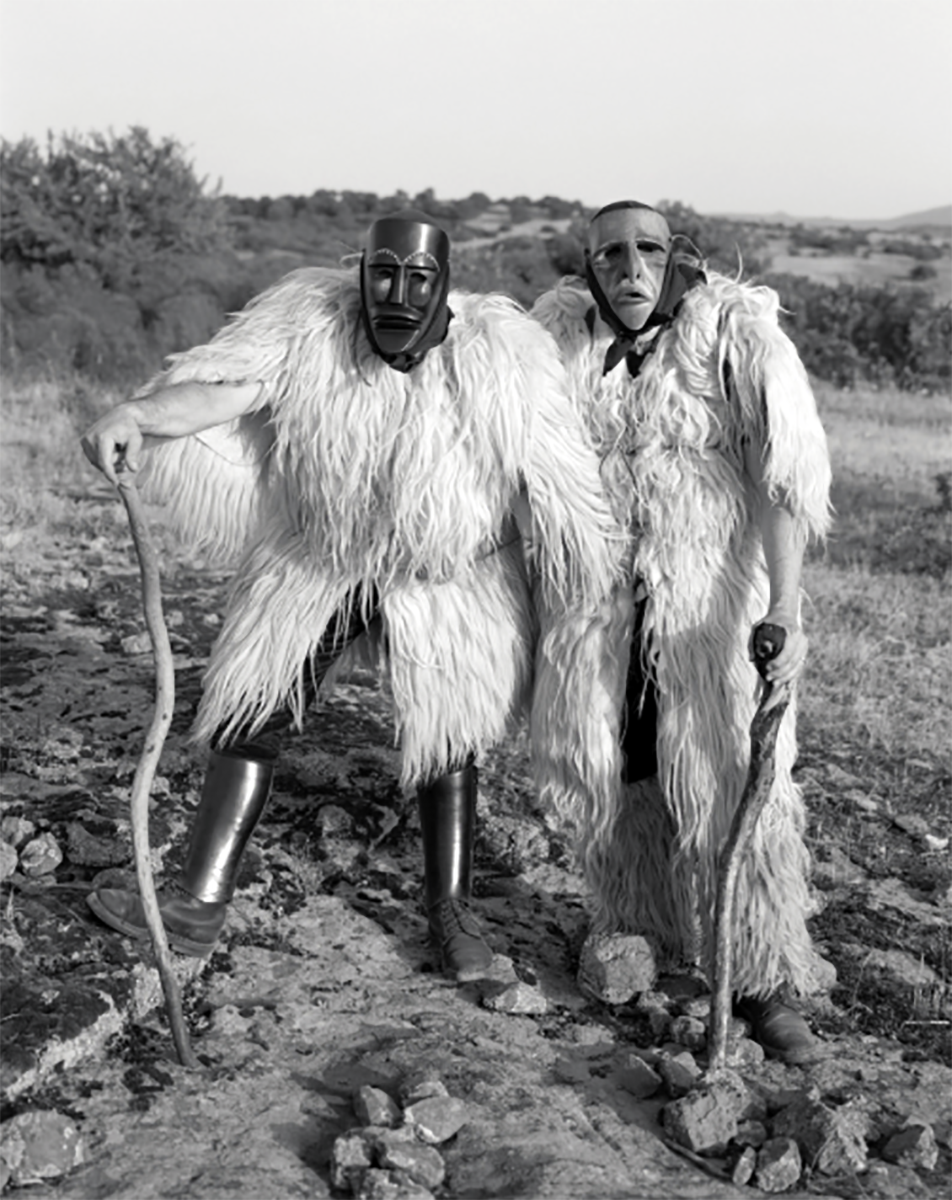
Image: Antonio

Leave a Reply