

I see a lot of people on social media using the word ‘collaboration’. They are invariably ‘want to be’ photographers, stylists or models. However, it is clear to me that they have had no teaching in how the photographic industry works or have any idea of the responsibilities of a photographer who gets paid for making photographs to a client brief. I am not sure how serious they are about their intentions, but I see so much of this I thought it was worth putting some thoughts down for any potential photographer to consider if they are serious about building a photographic career through working with others.
I see two main comments concerning collaboration. The first is by people wanting to colloborate and the second is by people complaining about being let down by collaborators. These comments come from photographers, models, stylists and creative directors predominantly. That final description is as ridiculous as most of the collaborative requests, but I’ll address that another time.
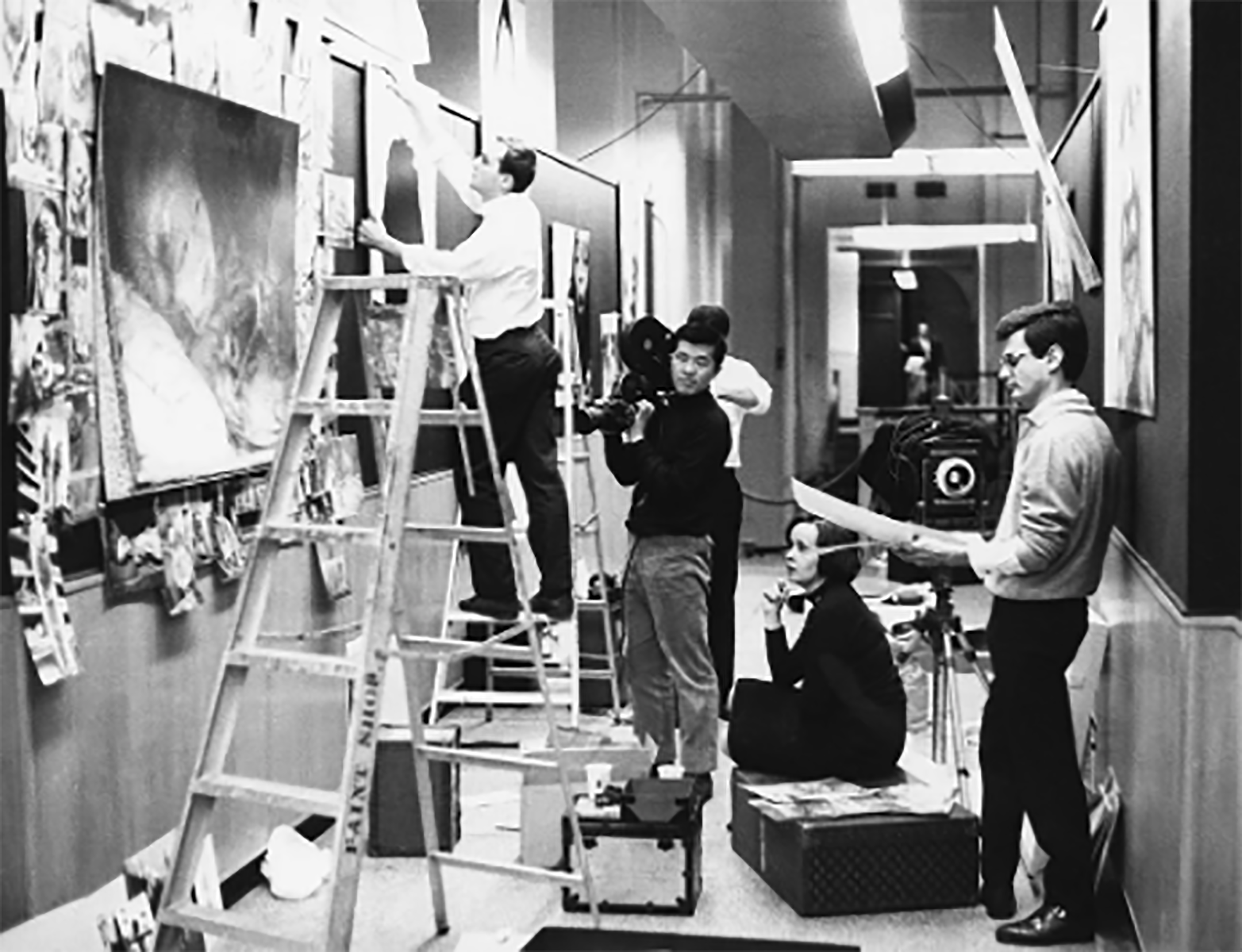
My understanding of these collaborations is that each party is looking to get someone to work with them for free. What in the old days was known as a ‘test’. Now, that was a valid exercise in which a group of usually young creatives would come together to make work they could show to a magazine to get commissioned or a job in the case of the stylist. That was in the days when magazines were the central form of employment for young photographers by which they got paid and published. Then with luck their work would get noticed by brands for more lucrative work. ‘Testing’ was a right of passage for all photographers, make-up artists and stylists wanting to work in fashion. It was based on mutual respect (most of the time), face-to-face meetings and friendships.
The new collaborations do not seem to have this sense of structure and outcome and that is the basis of the problem. My experience of creatives, and it is extensive, is that most have a strong idea as to what they want to do and why they are doing it. There will always be at least one dominant, forceful voice. The idea that they are going to come together and agree is unrealistic, not impossible, but unlikely. Therefore, it makes me wonder how naive these collaboration hopefuls really are and what their expectations of such a collaboration is. Just to work with people who will do what they want for free? To access equipment owned by others for free? To get images they can use for free? Or is it something darker? When models are involved my red flag antenna is definetly on alert. Yours should be as well.
I may be overly cynical here, but evidence proves that I am not. Just as social media is full of people asking to collaborate, similarly it is full of people telling their tales of collaborations gone wrong. Invariably these are people asking others if what has happened to them is normal or unacceptable. It is usually both. Normal because they have not understand the roles and rules of working as a photographer (ethics, copyright, and responsibilities) and it is normal for things to go wrong if you don’t. Unacceptable because usually at least one member of the collaboration has acted unprofessionally. This is not a surprise if they have not been taught how to act professionally, but in a ‘Me! Me!’ online world in which empathy seems to be an increasingly rare commodity a lack of ‘team spirit’ should not come as a surprise.
My suggestion is if you want to collaborate with fellow creatives make sure you don’t find them online. Or at least not just online. Build working relationships in person. Define clear boundaries and expectations with those you are working with. Create a paper trail to support this and ensure clear and accurate conversation on all aspects of the shoot including who will own the images and how they can be used. Do your research on copyright and ethics if you are unclear on these. In short, if you want to collaborate to establish a professional career, learn to act professionally in all aspects of your professional practice.
Dr.Grant Scott
After fifteen years art directing photography books and magazines such as Elle and Tatler, Scott began to work as a photographer for a number of advertising and editorial clients in 2000. Alongside his photographic career Scott has art directed numerous advertising campaigns, worked as a creative director at Sotheby’s, art directed foto8 magazine, founded his own photographic gallery, edited Professional Photographer magazine and launched his own title for photographers and filmmakers Hungry Eye. He founded the United Nations of Photography in 2012, and is now a Senior Lecturer and Subject Co-ordinator: Photography at Oxford Brookes University, Oxford, and a BBC Radio contributor. Scott is the author of Professional Photography: The New Global Landscape Explained (Routledge 2014), The Essential Student Guide to Professional Photography (Routledge 2015), New Ways of Seeing: The Democratic Language of Photography (Routledge 2019), What Does Photography Mean To You? (Bluecoat Press 2020) and Inside Vogue House: One building, seven magazines, sixty years of stories, (Orphans Publishing 2024). His photography has been published in At Home With The Makers of Style (Thames & Hudson 2006) Crash Happy: A Night at The Bangers (Cafe Royal Books 2012) and Inside Vogue House: One Building, Seven Magazines, Sixty Years of Stories (Orphans Publishing 2018). His film Do Not Bend: The Photographic Life of Bill Jay was premiered in 2018.
© Grant Scott 2026
Leave a Reply