
I have written previously about how one hundred years of photography, leather bound and as wonderfully musty smelling as you would expect came into my possession (link below). Since it did arrive, a month or so ago, I have been working my way on a casual basis through its copious pages. I started with the 1970s as that is a decade of particular interest, but then I thought I should start at the beginning and in this case that meant Volume 11 of the British Journal of Photography and 1864. This volume contains no photography, however it does contain diagrams and huge amounts of words, eloquently written, revealing themes that I believe are still relevant today.
Column two of No.2025, Vol XI, January 1, 1864 begins with the title A Retrospective Glance and says this, “… perhaps the direction in which photography has, during the last twelve months, undergone the largest amount of development is in its commercial aspect. To so great extent has this pursuit become prevalent as a means of obtaining a livelihood, that many thousands of persons in the metropolis alone are dependent upon it solely for gaining their daily bread, and at least an equal number of persons may be reckoned as deriving an important share of their income from the same source. There is little doubt that by the passing of the Artistic Copyright Act (by which photographers acquired the power of protecting the fruits of their labours from piracy) a stimulus was given, but for this protection, it would have been unwise to venture; and at the same time a check was put upon the unfair practice followed by some unscrupulous followers of the photographic art, who remorselesly copied the works of the engraver without compunction.”
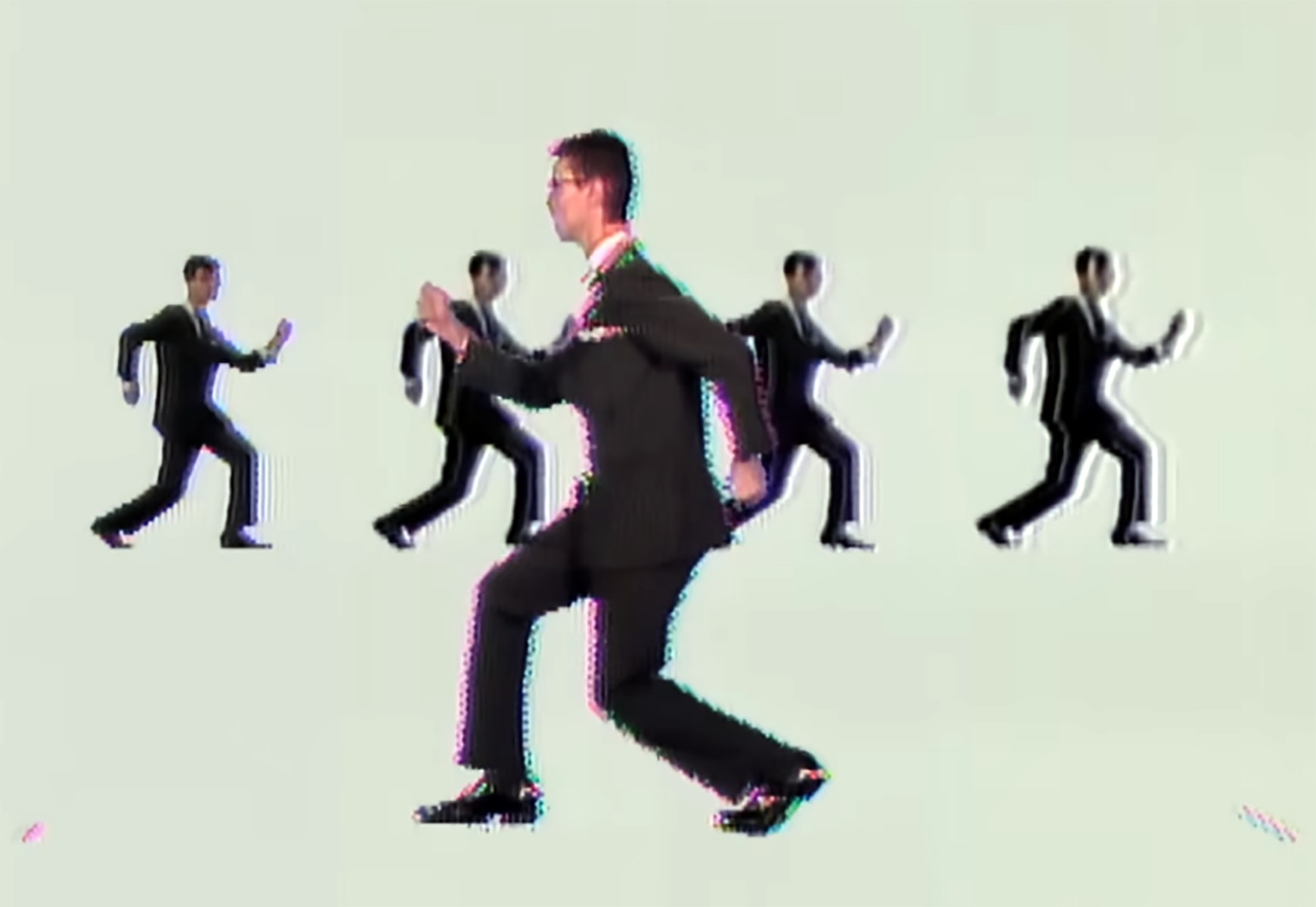
Replace the word ‘engraver’ with ‘AI artist’ and you maybe on the same page as me with this. As David Byrne sang “Same as it ever was, same as it ever was.” The photographic image’s ability to be reproduced, replicated and used as a source material for other artists is not new. It is its ‘fatal flaw’ and ‘super power’ all in one. The ability to share the photographic image today, quickly and easily allows us to search for an audience for our work within seconds after the image has been made, but the moment we do, we lose all control of the very thing we once owned. I know that legally we still own it, but you know what I mean. The Victorian photograph was similarly co-opted by artists and printers eager to use it as a creative source and opportunity to make money from cheap non-photographic prints. Photography was the ‘new thing’, but where photographers attempted to protect their new medium, others saw opportunity and profit. Is this sounding familiar?
To further prove my point the editors letter titled The Late Exhibition of the Photographic Society from August 19th 1864 says this, “We recollect a time when the Exhibitions of the Photographic Society were well attended, and a visitor could always have abundant oppurtunities of discussing the merits of a picture or of a photographic processes with competent judges. Why so sad a change? Is it that the general public, ever fond of novelty, has ceased to take interest in photography, because according to the art-critic of the Athenaeum, the camera has already accomplished all that it is capable of accomplishing?”I think we know that the critic was wrong, as was, I think the editor, both misunderstanding the possibilities of photography. Photography as a novelty of its time also aligns with our experience of AI made images today.
The idea that the general public had become bored with photography so soon after its emergence points to the creation of crowd pleasing images that soon became repetitous and bland. Images created initially to amaze soon lost there allure as the crowd cried out for more amazement and the photographers could not deliver. Such a sense of inital amazement met the first AI images as creators looked to demonstrate its abilities over its creative importance. They looked to recreate historic aesthetics to show history that never happened. They looked to create perfection where it did not exist and distopian worlds that can only be imagined. The ‘wow’ factor was to the fore in their intentions, an understanding of photography well to the back if present at all. Such approaches soon become yesterday’s news as functionality evolves and the audience moves on.
This is always the case with the latest trend, but just as the BJP was concerned in 1864, so are the Association of Photographers today about the illegal use of a photographers work and the impact new technolgies can have on a photographers income. The AOP have decided that informing the client is a good way to go www.the-aop.org/information/photographers-and-ai and they are also an important voice concerning copyright. I have no issue with these concerns because they are real and important, but I would like to suggest something else to consider. Twenty-five years ago I was involved as a creative director within the ‘dot com boom’ that soon became ‘dot com bust’. It was a time of creativity and ideas which were ahead of their time. Ahead of their time because the technology was not in place to fulfil the dreams of the venture capitalists and they lost their money. They were not wrong, they were just too early and too enticed by ‘bright-shiny-things’. ‘Bright-shiny-things’ shine bright for a short period, but soon lose their sparkle if they have no intrinsic value. I think this is what the BJP was talking about with photography. The boom was over and they were fearful of photography burning out, just as today photographers are blinded by the glare of AI and its potential destruction of ‘true’ photography. My message here is not to panic. AI may well become absorbed within photography (in post-production and smart phones it already is), but I do not believe it will kill it, just as cheap engravers did not kill the medium shortly after its birth.
The issues photography has are cyclical. They are the issues it creates for itself through its reliance on technology to evolve. It is in essence an art form, a form of visual communication based on physics, chemestry and engineering, traditional and digital. We have to accept that, live with it and evolve with it. History shows that evolution is inevitable and although we may not like change we have to adapt to it. The future may not be as bad as we think. Now where did I put my top hat and cane?
Further Reading/Listening
https://unitednationsofphotography.com/2026/01/04/what-do-you-do-with-100-years-of-the-british-journal-of-photography/
https://unitednationsofphotography.com/2025/08/31/ai-needs-photographers-creatives-more-than-photographers-need-ai/
https://unitednationsofphotography.com/2023/05/15/is-ai-the-end-of-stock-photography/
https://unitednationsofphotography.com/2023/12/27/podcast-a-photographic-life-episode-plus-3/
Image: Talking Heads – Once in a Lifetime (Official Video)
Dr.Grant Scott
After fifteen years art directing photography books and magazines such as Elle and Tatler, Scott began to work as a photographer for a number of advertising and editorial clients in 2000. Alongside his photographic career Scott has art directed numerous advertising campaigns, worked as a creative director at Sotheby’s, art directed foto8magazine, founded his own photographic gallery, edited Professional Photographer magazine and launched his own title for photographers and filmmakers Hungry Eye. He founded the United Nations of Photography in 2012, and is now a Senior Lecturer and Subject Co-ordinator: Photography at Oxford Brookes University, Oxford, and a BBC Radio contributor. Scott is the author of Professional Photography: The New Global Landscape Explained (Routledge 2014), The Essential Student Guide to Professional Photography (Routledge 2015), New Ways of Seeing: The Democratic Language of Photography (Routledge 2019), What Does Photography Mean To You? (Bluecoat Press 2020) and Inside Vogue House: One building, seven magazines, sixty years of stories, (Orphans Publishing 2024). His photography has been published in At Home With The Makers of Style (Thames & Hudson 2006) and Crash Happy: A Night at The Bangers (Cafe Royal Books 2012). His film Do Not Bend: The Photographic Life of Bill Jay was premiered in 2018.
© Grant Scott 2026

Leave a Reply