
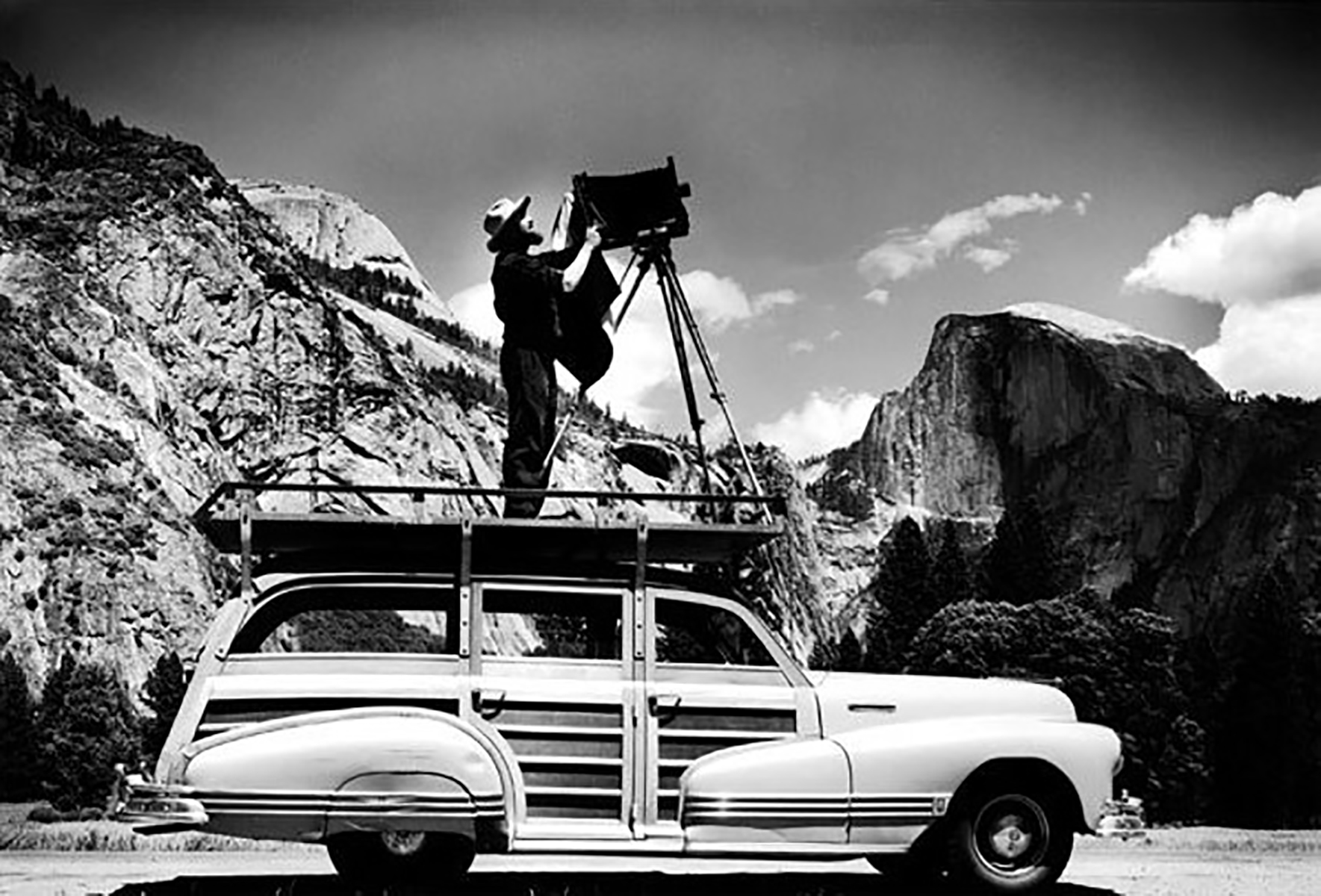
I was recently drawn into watching a YouTube video by a thumbnail that proclaimed “Everyone Ignores This Genre of Photography But It’s The Future.” The photographer was suggesting that too may photographers are photographing the same places, with the same aesthetic. He was talking from the perspective of a landscape photographer. I couldn’t disagree with this statement and I have previously spoken about the generic nature of so much landscape photography in particular. Misty mountains, hills, lakes, jetty’s, waterfalls and forests. However, this photographer claimed that he had a solution for this problem. He called it ‘Hyper Localism’.
He then preceded to leave his house and take a walk. Only to reveal that he lived in rural North Wales, surrounded by hills, fields and the type of environment that most landscape photographers travel to. A quick visit to his website showed me that he grew up in a Welsh-speaking family in the same area. In the film he talks about his family having owned a farm he walks to. All of this is very picturesque and ‘catnip’ for landscape photographers. The problem is of course that his local, is not most people’s local.
Interestingly there are some images of trees in urban environments on his website, but these are not the kind of images that most landscape warriors want to produce. They are looking for the big skies, and the dramatic converging geology of where the photographer in question lives.
This is not the future of photography, it is the past. It is what photography has always been. You photograph were you live and if you want to photograph somewhere different, you are going to have to travel. Putting the word ‘hyper’ next to anyword rarely, if ever, means anything at all, and that is the case here. The word genre is also misused. Making photographs locally is not a genre, it is no more than a decision.
The solution to the problem that the photographer identifies is simple and requires no hype. Don’t aim to photograph the same things as everyone else, in the way that everyone else does. To do this you have to look at work that your contemporaries are not looking at. Ignore the images in enthusiast magazines, ignore the images so revered in camera clubs, ignore the images that win competitions and instead dig deeper. What does that mean? It means avoiding the obvious influences and seeking out the stuff that will help you make images that are more true to you.
You can find this work anywhere, but I would suggest visiting an online photo book store website, to get an idea of names and work you have yet to discover. Then you can use those names, to find photographers who influenced them. Listen to them talk on Youtube, rather than the obvious names that others are listening to. I personally avoid anyone with a large following. Not to be difficult, but to ensure that I do not fall into a trap of believing that big followings mean good advice.
However, if you are searching for inspiration on making work locally, may I suggest one book and one photographer. The photographer is Saul Leiter and the book is In My Room. A series of images, all of which were created within his apartment, of his lovers and partners. They are all in black and white and lit only with natural light. They are beautiful, intimate collaborations, that document Leiter’s relationships with women and a secluded world, away from the bustle of the street he is so well known for photographing. You can’t get more local than that.
The fact is that you can make work wherever you feel inspired. Travelling is fine. Just don’t think you have to conform to succeed. You don’t! In fact I would go as far as to say that conformity leads to boring images, without a reason to exist. You don’t have to take my word for it, just take a look around you!
Dr.Grant Scott
After fifteen years art directing photography books and magazines such as Elle and Tatler, Scott began to work as a photographer for a number of advertising and editorial clients in 2000. Alongside his photographic career Scott has art directed numerous advertising campaigns, worked as a creative director at Sotheby’s, art directed foto8magazine, founded his own photographic gallery, edited Professional Photographer magazine and launched his own title for photographers and filmmakers Hungry Eye. He founded the United Nations of Photography in 2012, and is now a Senior Lecturer and Subject Co-ordinator: Photography at Oxford Brookes University, Oxford, and a BBC Radio contributor. Scott is the author of Professional Photography: The New Global Landscape Explained (Routledge 2014), The Essential Student Guide to Professional Photography (Routledge 2015), New Ways of Seeing: The Democratic Language of Photography (Routledge 2019), and What Does Photography Mean To You? (Bluecoat Press 2020). His photography has been published in At Home With The Makers of Style (Thames & Hudson 2006) and Crash Happy: A Night at The Bangers (Cafe Royal Books 2012). His film Do Not Bend: The Photographic Life of Bill Jay was premiered in 2018. Scott continues to work as a photographer, writer and filmmaker and is the Subject Coordinator for both undergraduate and post graduate study of photography at Oxford Brookes University, Oxford, England.
Scott’s book Inside Vogue House: One building, seven magazines, sixty years of stories, Orphans Publishing, is now on sale.
© Grant Scott 2026


Leave a Reply