
Let me tell you a story. I used to edit photography magazines and in those magazines I used to run photography competitions. They were free to enter, the judges got involved for free and we would use them to encourage people to buy the magazine. Here’s another story. I used to judge photography competitions across the world, prestigious famous competitions. I was never paid to do this. One more story. I once entered a prestigious UK portrait exhibition for a few pounds. I was successful and had the entered image exhibited at the National Portrait Gallery in London.
I no longer run, judge or enter photography competitions. I no longer edit magazines and I am therefore of no use to competition organisers in promoting their product. My experience in photography was never a reason for them to choose me as a judge. I accept that. However, if I wanted to, I could probably enter a photography competition every month of the year. There are that many out there keen to take my money. But why?
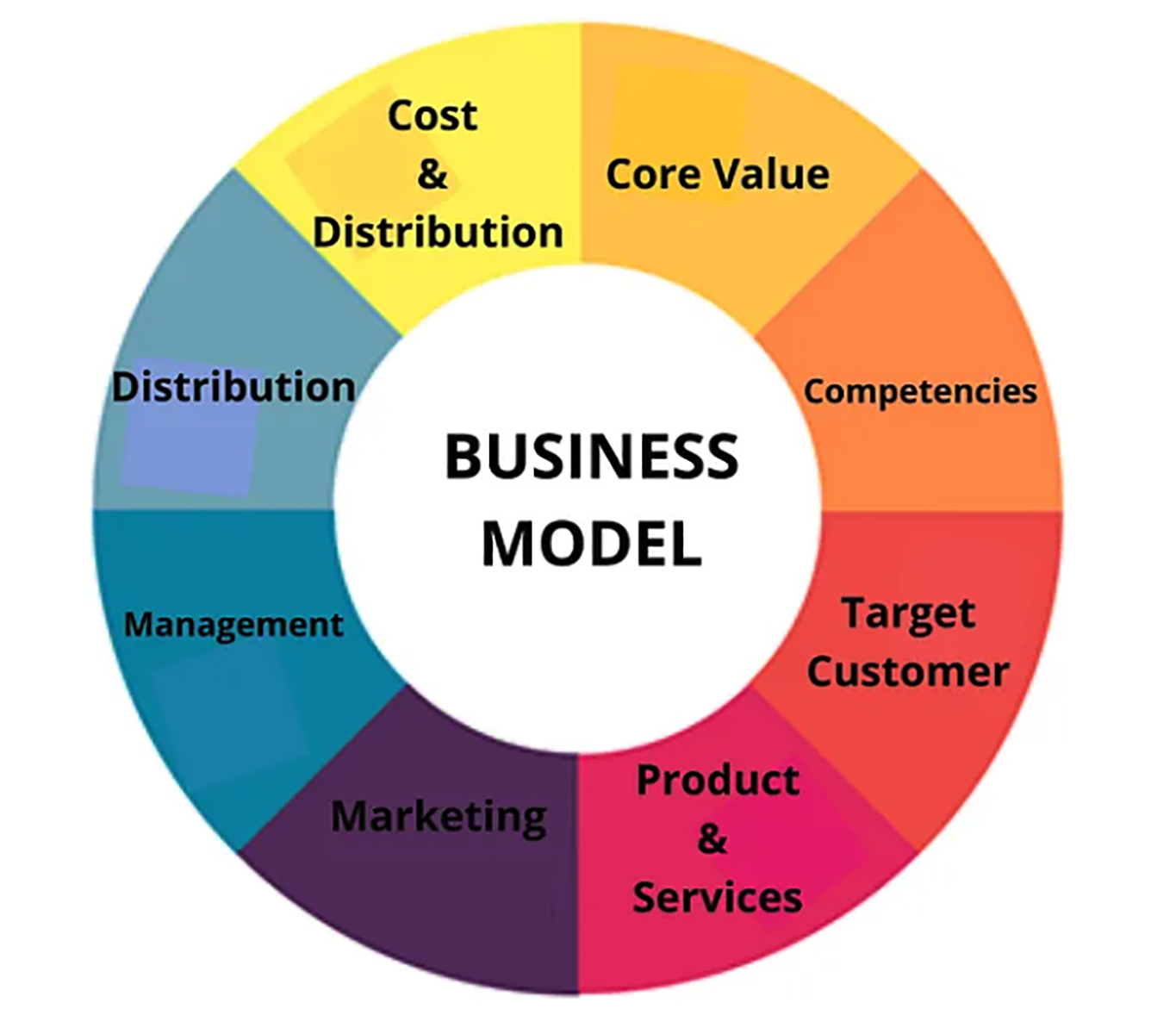
The answer is simple. It’s a business model. Get people to pay you to look at their photography, with the hope of winning a prize, a certificate and seen by judges. If you get enough people entering, you make enough money; you make a profit. If not, the chances are that you haven’t lost much. Just time marketing it online and a basic website. You could then give up, or give it another go, with a quick rebrand. That’s the model, but let’s pick that model apart.
Anyone can launch a photography competition. You just need an idea and a name for it. The more international for both the better. This is worth considering before you hand over your money. Who are you giving it to? Due diligence is essential. This may take some work. However, a visit to the bottom of a website page usually reveals an ‘About ‘ button or some details concerning who is behind the initiative. No information, my suggestion is no entry! Dubious information should also lead to a hard pass. You might also look for any media partners or sponsers to gauge how legitimate the competition is.
Next step is the judges. Have you heard of them? Do they have websites that give you information on who they are? Are they relevant to you and your work? Three questions that need to be at the front of your mind. It may be possible to contact them directly and ask if they would look at your work to provide feedback for free. They may be online being interviewed, on podcasts or on YouTube, explaining their views on photography. If so one reason for entering a competition is removed. You don’t need to pay to play, if the game is available for all to join. This is also my argument for not paying for portfolio reviews. Surely, no photographer or photography related person, is too busy to respond to a polite message asking for some advice. If they are please ask them to contact me and explain why they can’t spare twenty minutes with someone in the same position they were once in. Anyway, back to competitions.
Once you understand the basis and founders of the competition. Looked at the judges and decided if your work will be farly considered by them, then the next issue is the cost. Now, there is no set scale for this and every competition sets its own fees. Some high, some low and some free. I have no issue with the free ones, and the low price ones, but the high priced ones, in my opinion have to be questioned carefully. Those questions are these. What do you get for your money and where is the money going? Again due diligence is needed.
Here are some of the thoughts that cross my mind. Is the competition being used to fund a failing part of a business? Is it being used to fund a big awards ceremony at an expensive hotel, that you will not be invited to? If the competition has a wealthy sponser, why do they need your money? Does the competition publish the amount of people who enter and what criteria they are judging work on? You may think that none of these matter, but if anyone asks you to give them your hard earned money, surely you would want to know what you are paying for! Transparency is required.
Research completed, you can make your decision as to whether or not you want to enter. However, there is one last point I would like to make. I have no issue with people making money from photography, why should I? I have done so for many years. But, winning an award has to be placed into a context, that is both honest and truthful. The winning image or images are not the ‘best’, they are the best of the images submitted, and that is often based on an ability to pay. Therefore, they are the best images made by those who can afford to gamble. Because that is what a photography competition is, a gambling opportunity. Pay your money and hope your horse comes in first.
In a sense those staging them are also gambling. If they don’t get enough entries they extend the closing date. Something I’m sure we have all seen. If that doesn’t make any difference, they have to go with what they have, whatever the quality, and risk revealing a weak outcome for their brand. Or they could do what I know some have done and encourage established photographers to enter with the promise of success. This does happen, believe me. A photography competition is totally reliant on its entrants for its profile and that is quite a risk if you are hoping to run a business. That leads us to the reason for all pay-to-enter photography competitions. They exist to make profit. Once they are established and have a reputation that encourages photographers to pay to enter, those profits can be considerable. Enough to pay staff, rent offices and stage big exhibitions. In the end, it is your call if you decide to enter any photography competition. I am not against them, but I am wary of any that ask you to pay to enter. I suggest you should be too.
Dr.Grant Scott
After fifteen years art directing photography books and magazines such as Elle and Tatler, Scott began to work as a photographer for a number of advertising and editorial clients in 2000. Alongside his photographic career Scott has art directed numerous advertising campaigns, worked as a creative director at Sotheby’s, art directed foto8 magazine, founded his own photographic gallery, edited Professional Photographer magazine and launched his own title for photographers and filmmakers Hungry Eye. He founded the United Nations of Photography in 2012, and is now a Senior Lecturer and Subject Co-ordinator: Photography at Oxford Brookes University, Oxford, and a BBC Radio contributor. Scott is the author of Professional Photography: The New Global Landscape Explained(Routledge 2014), The Essential Student Guide to Professional Photography (Routledge 2015), New Ways of Seeing: The Democratic Language of Photography (Routledge 2019), What Does Photography Mean To You? (Bluecoat Press 2020) and Inside Vogue House: One building, seven magazines, sixty years of stories, (Orphans Publishing 2024). His photography has been published in At Home With The Makers of Style (Thames & Hudson 2006) and Crash Happy: A Night at The Bangers (Cafe Royal Books 2012). His film Do Not Bend: The Photographic Life of Bill Jay was premiered in 2018.
© Grant Scott 2026
Leave a Reply