
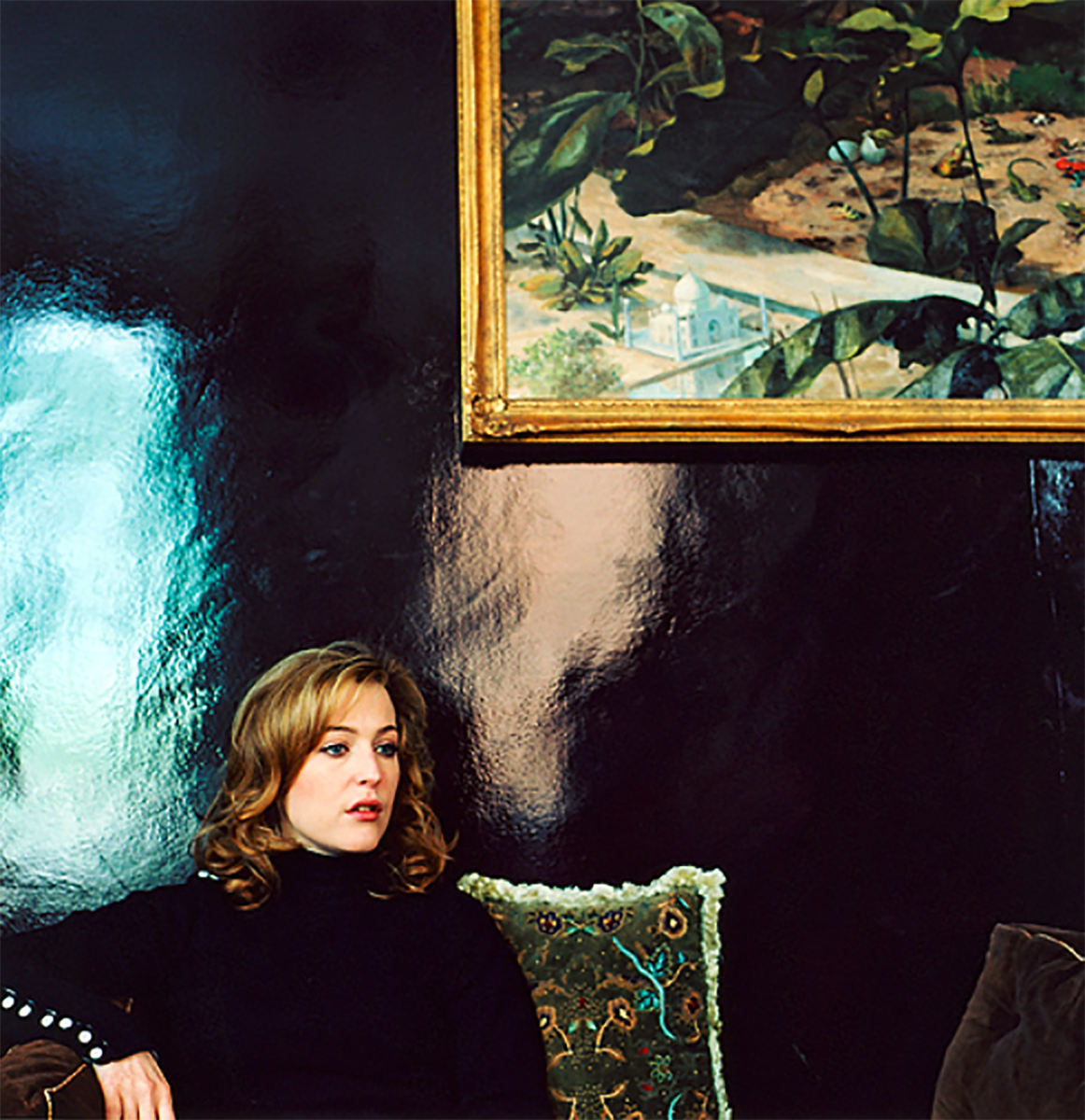
I cannot tell you how many unsuccessful portraits I see, because I don’t count, but I guess that it would number in the many thousands. Maybe more. Every time I see one, I am forced to ask myself, “what was the photographer looking at?” You may say that my opinion concerning successful and unsuccessful images is subjective and you would be right. However, let’s think about this a little more deeply.
A successful portrait is, in my opinion, a meeting of minds. Yours and theirs. To engage in such a process, can present an unsurmountable challenge for many. Social confidence is key to such an interaction, alongside a confidence to control a situation, and social confidence today seems to be rarer than it has ever been. Therefore, too many portrait photographs are created under the following circumstances. Photographer sees or meets a person they want to photograph. They may try and ‘grab’ a frame, or hopefully speak to the person and ask them if they are happy to be photographed. If the person says yes, a few frames are made, a thank you given and the photographer moves on. The issue with this scenario, is the belief that capturing an image of someone, wherever they are, is enough. This is incorrect. The composition of the portrait, is reliant on the central figure and its relationship with its environment.
I’m not old school on this. I don’t feel that rules have to be followed, but considerations have to be made. I have heard people criticise portraits because the top of the head is cropped, that the figure is off-centre, that a portrait is back-lit. I have no issue with any of these, if they are well considered and intentional.
A professional portrait photographer will not expect to achieve a succesful portrait in three or four frames, making themselves reliant on luck. They would have put considerable time into preparation, and thought as to where the portrait will be made. That includes within a studio or on location. They will assess the light, colours, textures, forms, juxtapositions, narrative and client requirements. They would have made images of those potential locations, without the subject in them, to see if the photograph works as a composition in which to place the subject. Despite all of this preparation, they will still take many frames. Quickly and with intention. The best comment I hear, after a portrait shoot, from the person I am photographing is, “is that it?” Proof that I have not tried their patience, or over stayed my welcome. It is on this basis, that I have repeatedly been requested by a celebrity to photograph them again.
When placing the person into the chosen space, the photographer should suggest how they should stand, sit, look, or feel. They should not dictate, but they should initiate a mutually respectful conversation, to instill confidence in the person being photographed. If the set-up isn’t working, the photographer needs to be confident, decisive and positive in making changes, and move to a pre-decided alternative set-up. They need to be assessing the whole frame and how the person is engaging with the environment. Is a lamp coming out of their head, is there a colour clash between what they are wearing and the background, are horizontals and verticals unsettling? You can add your own suggestions…
All of this takes confidence. Social, personal and photographic confidence, but it is only the first part of the process. It is an important part, because without making enough frames to choose from, the second stage cannot take place.
I often say that a photographer is only as good as the work they show, not make, and this is a fact. You may be a great photographer, but if you don’t know how to edit your work, no one will ever know. Just to confirm, editing is choosing. It’s not post-production manipulation, but I’m sure you know that!
Anyway, the best way to learn how to edit is to look at other people’s photographs, both good and bad, and question what works and what doesn’t. I’ve put some links at the end of this article to help you with the process of editing. Suffice to say that, composition is a good starting point to define the success of an image. The subject must be considered alongside the composition. Both need to work, this is not an ‘either-or-situation’. This may seem obvious, but if it is, how is it that I see so many images, that evidence that this thought process has not taken place? I think it is because, too much priority is given to the subject in the editing process, with the composition being given a cursory at best consideration.
My advice therefore is to consider the portrait, as a photograph of both person and place. A coming together of elements, within the frame that are complimentary, created by a photographer who is in control of the images they are making. It really is that simple to say, although I appreciate that it is not always easy to do. I hope the links below help with achieving that outcome.
Further Reading
https://unitednationsofphotography.com/2025/11/20/editing-photographs-is-easy-heres-how-and-why/
https://unitednationsofphotography.com/2025/11/21/2000-frames-is-too-many-way-too-many/
https://unitednationsofphotography.com/2023/01/07/how-to-edit-your-photographs-the-simple-5-step-way/
https://unitednationsofphotography.com/2014/11/11/editing-is-rejection-understanding-the-editing-process/
https://unitednationsofphotography.com/2025/12/09/portraits-anxiety-and-eye-contact/
https://unitednationsofphotography.com/2019/01/28/youve-been-framed-lets-talk-about-structure/
Dr.Grant Scott
After fifteen years art directing photography books and magazines such as Elle and Tatler, Scott began to work as a photographer for a number of advertising and editorial clients in 2000. Alongside his photographic career Scott has art directed numerous advertising campaigns, worked as a creative director at Sotheby’s, art directed foto8 magazine, founded his own photographic gallery, edited Professional Photographer magazine and launched his own title for photographers and filmmakers Hungry Eye. He founded the United Nations of Photography in 2012, and is now a Senior Lecturer and Subject Co-ordinator: Photography at Oxford Brookes University, Oxford, and a BBC Radio contributor. Scott is the author of Professional Photography: The New Global Landscape Explained (Routledge 2014), The Essential Student Guide to Professional Photography (Routledge 2015), New Ways of Seeing: The Democratic Language of Photography (Routledge 2019), What Does Photography Mean To You? (Bluecoat Press 2020) and Inside Vogue House: One building, seven magazines, sixty years of stories, (Orphans Publishing 2024). His photography has been published in At Home With The Makers of Style (Thames & Hudson 2006) and Crash Happy: A Night at The Bangers (Cafe Royal Books 2012). His film Do Not Bend: The Photographic Life of Bill Jay was premiered in 2018.
© Grant Scott 2026
Image: Gillian Anderson by Grant Scott


Leave a Reply